//
Adizero Adios Pro 5 vs Cielo X1 3
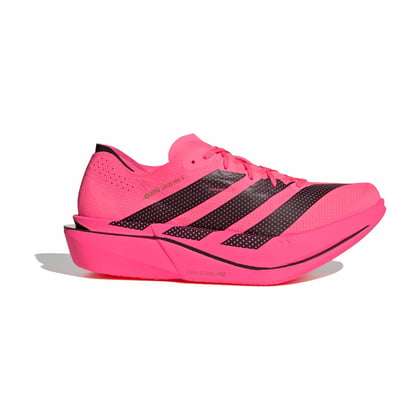

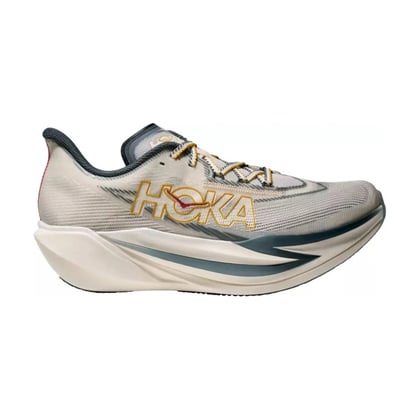

| Spec | Adizero Adios Pro 5 | Cielo X1 3 |
|---|---|---|
| Best price now | - | £140.10 |
| 90-day low | - | £140.10 |
| 30-day average | - | £220.74 |
| RRP | £220.00 | £250.00 |
| Category | Race | Race |
| Surface | Road | Road |
| Weight | 177g | 213g |
| Drop | 4mm | 7mm |
| Heel stack | 39mm | 38mm |
| Forefoot stack | 35mm | 31mm |
| Carbon plated | Yes | Yes |
| Stability | No | No |
| Review rating | - | - |
Expert review
Adizero Adios Pro 5 or Cielo X1 3: which should you buy?
Adizero Adios Pro 5
£220 is a lot for a pair of running shoes, but it's £30 under the Adios Pro 4's £249.99 RRP, and on paper you get more for it. adidas has swapped the old EnergyRods for an ENERGYRIM carbon ring taken from the Adios Pro Evo 3, packed more Lightstrike Pro foam directly under your foot, and brought the listed weight down to 177g. The early reviews are strong. Doctors of Running and RTINGS both rate it best for half and full marathon racing, with a softer, bouncier ride than the Pro 4 and a heel that no longer slips. It's less convincing at 10k pace, where some testers found the soft forefoot a touch less snappy, and it was never meant for easy miles. If you race 13.1 or 26.2 and can hold your form late on, this is one of the first carbon racing shoes we'd shortlist, next to the Vaporfly 4.
Cielo X1 3
The Hoka Cielo X1 3 is a max-stack carbon racing shoe built for runners who want a big, protective ride without giving up pop at pace. It sits right at the top of the stack rules with a 44mm heel, a carbon plate and a PEBA-based super foam, so it is squarely a marathon and half-marathon shoe rather than a short, snappy 5k racer. The story of this third version is refinement. Earlier Cielo X1 models were brilliant fun but heavy and a handful at slow speeds. This one is billed as the lightest and most stable yet, and that matters because it makes the big platform far easier to actually race in. If you have looked at the Nike Alphafly 3 and wanted something with a broader, more planted feel underfoot, this is the Hoka answer. It is premium at 250 pounds, but for long-distance race day it delivers a genuinely propulsive, cushioned ride.
At a glance
Adizero Adios Pro 5 vs Cielo X1 3: how they score
Adizero Adios Pro 5
Lightness9.5
Cushioning8.5
Flexibility3.0
Responsive9.0
Stability5.5
Grip7.5
Cielo X1 3
Lightness7.5
Cushioning9.5
Flexibility5.5
Responsive8.8
Stability7.5
Grip7.5
Who it suits
Who the Adizero Adios Pro 5 and the Cielo X1 3 are for
RRP£220.00
90D Low£140.10
30D Avg£220.74
RRP£250.00
UK prices
Where to buy the Cielo X1 3


- 01Run4It2d ago£140.10£250.00−44%
- 02Fitstuff5d ago£165.00£250.00−34%
- 03365RiderLIVE£172.81£250.00−31%
- 04Runner's Need2d ago£174.89£250.00−30%
- 05DerbyRunnerLIVE£199.99£250.00−20%
- 06Start FitnessLIVE£249.90£250.00−0%
- 07SportsShoesLIVE£249.99£250.00−0%
- 08HokaLIVE£250.00
- 09AchillesHeelLIVE£250.00
- 10Run North WestLIVE£250.00
- 11Run ActiveLIVE£250.00
- 12runningbath.co.uk2d ago£250.00