//
Adizero EVO SL 1 vs Noosa Tri 16
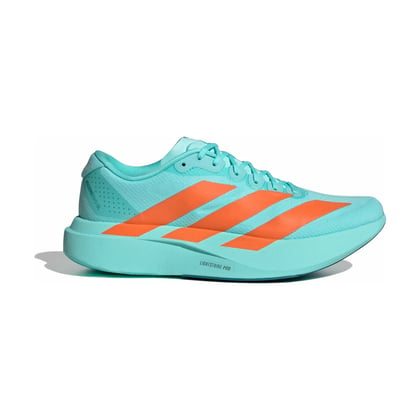

Adidas Adizero EVO SL 1
Best price today
£77.08£150.00−49%
at Direct Running · 36% under 30d avg
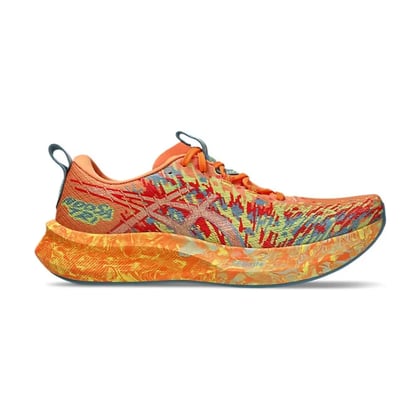

| Spec | Adizero EVO SL 1 | Noosa Tri 16 |
|---|---|---|
| Best price now | £77.08 | £80.99 |
| 90-day low | £77.01 | £72.37 |
| 30-day average | £120.78 | £98.30 |
| RRP | £150.00 | £140.00 |
| Category | Tempo | Tempo |
| Surface | Road | Road |
| Weight | 224g | 215g |
| Drop | 6mm | 5mm |
| Heel stack | 39mm | 34.5mm |
| Forefoot stack | 33mm | 29.5mm |
| Carbon plated | No | No |
| Stability | No | No |
| Review rating | 5.0 (1) | - |
Expert review
Adizero EVO SL 1 or Noosa Tri 16: which should you buy?
Adizero EVO SL 1
Few running shoes of the last couple of years got talked about as much as the EVO SL, and the reason is simple. adidas took the Lightstrike Pro foam from its race shoes, left out the carbon rods, and sold it at a daily-trainer price. At 224g with a 39mm heel, it's a light, bouncy tempo shoe that reviewers keep calling a bargain.
It shines when you pick up the pace. Tempo runs, intervals and goal-pace work are its home, and plenty of runners race half marathons in it. It's less happy at a slow shuffle, and it isn't a stable shoe, so it won't suit everyone as a do-everything trainer.
If you want a plate for race day, the Adios Pro 5 is the step up. As an unplated speed trainer, though, this is the one others in the category get measured against, and the few flaws people mention (laces, tongue, some early outsole wear) are small ones.
Noosa Tri 16
The Noosa Tri 16 is Asics at its most playful: a light, lively tempo running shoe with triathlon roots and a deliberately loud look. At 215g with a low 5mm drop, it sits in that sweet spot between a daily trainer and a racer, the kind of shoe you reach for when an easy run turns into a fartlek and you want your feet to feel quick. There is no carbon plate here, so do not expect supershoe propulsion. What you get instead is honest, connected speed: a firm, responsive ride that rewards a forefoot or midfoot strike and turns over fast. The tri heritage shows in details built for racking transitions and shrugging off water, which also make it a genuinely fun stripped-back trainer. We rate it as a speed-day shoe for runners who already have a cushioned daily trainer and want something snappier for tempo work, strides and shorter races. It is not a do-it-all shoe, and it is not trying to be.
At a glance
Adizero EVO SL 1 vs Noosa Tri 16: how they score
Adizero EVO SL 1
Lightness9.0
Cushioning7.5
Flexibility6.5
Responsive8.5
Stability5.0
Grip7.5
Noosa Tri 16
Lightness8.5
Cushioning6.0
Flexibility7.5
Responsive7.5
Stability5.5
Grip7.5
Who it suits
Who the Adizero EVO SL 1 and the Noosa Tri 16 are for
90D Low£77.01
30D Avg£120.78
RRP£150.00
UK prices
Where to buy the Adizero EVO SL 1


- 01Direct RunningLIVE£77.08£150.00−49%
- 02Sportsdirect3d ago£90.02£150.00−40%
- 03Run ActiveLIVE£91.00£150.00−39%
- 04Run Active4d ago£91.00£150.00−39%
- 05DecathlonLIVE£99.99£150.00−33%
- 06365RiderLIVE£105.00£150.00−30%
- 07HouseOfFraser1d ago£109.99£150.00−27%
- 08Sportsdirect1d ago£109.99£150.00−27%
- 09Run North West1d ago£110.50£150.00−26%
- 10Fitstuff5d ago£110.50£150.00−26%
- 11ASOSLIVE£119.99£150.00−20%
- 12DirectRunningLIVE£122.06£150.00−19%
- 13365RiderLIVE£122.19£150.00−19%
- 14DecathlonLIVE£129.99£150.00−13%
- 15Foot LockerLIVE£129.99£150.00−13%
- 16SportsShoes1d ago£129.99£150.00−13%
- 17AdidasLIVE£130.00£150.00−13%
- 18NextLIVE£130.00£150.00−13%
- 19VeryLIVE£130.00£150.00−13%
- 20Sigma Sports2d ago£130.00£150.00−13%
- 21Sporting Feet4d ago£130.00£150.00−13%
- 22JD Sports4d ago£130.00£150.00−13%


