//
Adizero EVO SL 1 vs FuelCell Rebel 4
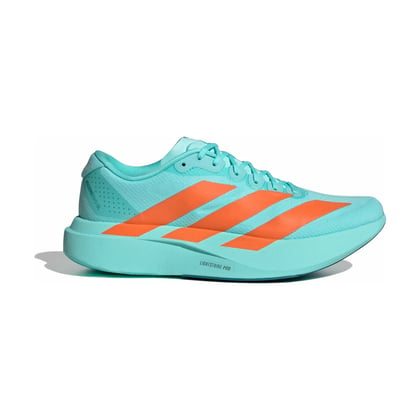

Adidas Adizero EVO SL 1
Best price today
£79.33£150.00−47%
at DirectRunning · 34% under 30d avg
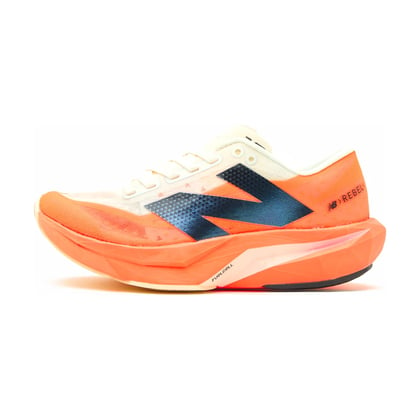

New Balance FuelCell Rebel 4
Best price today
£69.99£140.00−50%
at SportsShoes90D LOW · 34% under 30d avg
| Spec | Adizero EVO SL 1 | FuelCell Rebel 4 |
|---|---|---|
| Best price now | £79.33 | £69.99 |
| 90-day low | £77.01 | £69.99 |
| 30-day average | £119.93 | £106.62 |
| RRP | £150.00 | £140.00 |
| Category | Tempo | Tempo |
| Surface | Road | Road |
| Weight | 224g | 212g |
| Drop | 6mm | 6mm |
| Heel stack | 39mm | 30mm |
| Forefoot stack | 33mm | 24mm |
| Carbon plated | No | No |
| Stability | No | No |
| Review rating | 5.0 (1) | - |
Expert review
Adizero EVO SL 1 or FuelCell Rebel 4: which should you buy?
Adizero EVO SL 1
Few running shoes of the last couple of years got talked about as much as the EVO SL, and the reason is simple. adidas took the Lightstrike Pro foam from its race shoes, left out the carbon rods, and sold it at a daily-trainer price. At 224g with a 39mm heel, it's a light, bouncy tempo shoe that reviewers keep calling a bargain.
It shines when you pick up the pace. Tempo runs, intervals and goal-pace work are its home, and plenty of runners race half marathons in it. It's less happy at a slow shuffle, and it isn't a stable shoe, so it won't suit everyone as a do-everything trainer.
If you want a plate for race day, the Adios Pro 5 is the step up. As an unplated speed trainer, though, this is the one others in the category get measured against, and the few flaws people mention (laces, tongue, some early outsole wear) are small ones.
FuelCell Rebel 4
The FuelCell Rebel v4 is New Balance at its most fun: a lightweight, plateless tempo shoe built to make quick running feel easy. At 212g it is properly light, and there is no carbon plate here, so the pop comes straight from a soft, springy FuelCell midsole rather than a stiff propulsion board. That makes it one of the more versatile speed shoes going. You can rip a session in it, float through a steady long run, then use it as a do-everything daily trainer the next morning. It sits in that sweet spot between a cushioned daily and a race shoe, and it does it for a fair RRP. If you want a single pair to cover most of your mileage without buying a rotation, this is a strong pick. The newer Rebel v5 has since arrived, so the v4 is often the smarter buy on price. Just do not expect the locked-in, aggressive feel of a plated racer. This one is about bounce and freedom, not rigidity.
At a glance
Adizero EVO SL 1 vs FuelCell Rebel 4: how they score
Adizero EVO SL 1
Lightness9.0
Cushioning7.5
Flexibility6.5
Responsive8.5
Stability5.0
Grip7.5
FuelCell Rebel 4
Lightness9.0
Cushioning8.0
Flexibility8.0
Responsive8.2
Stability5.5
Grip7.5
Who it suits
Who the Adizero EVO SL 1 and the FuelCell Rebel 4 are for
90D Low£77.01
30D Avg£119.93
RRP£150.00
UK prices
Where to buy the Adizero EVO SL 1


- 01DirectRunningLIVE£79.33£150.00−47%
- 02Direct RunningLIVE£83.51£150.00−44%
- 03Sportsdirect1d ago£90.26£150.00−40%
- 04Run ActiveLIVE£91.00£150.00−39%
- 05Run ActiveLIVE£91.00£150.00−39%
- 06DecathlonLIVE£99.99£150.00−33%
- 07RunningXpert2d ago£103.00£150.00−31%
- 08365RiderLIVE£105.00£150.00−30%
- 09Sportsdirect2d ago£109.99£150.00−27%
- 10HouseOfFraser2d ago£109.99£150.00−27%
- 11Run North West4d ago£110.50£150.00−26%
- 12365RiderLIVE£122.19£150.00−19%
- 13Start FitnessLIVE£129.90£150.00−13%
- 14DecathlonLIVE£129.99£150.00−13%
- 15Foot LockerLIVE£129.99£150.00−13%
- 16SportsShoesLIVE£129.99£150.00−13%
- 17Foot Locker2d ago£129.99£150.00−13%
- 18AdidasLIVE£130.00£150.00−13%
- 19ASOSLIVE£130.00£150.00−13%
- 20ASOS1d ago£130.00£150.00−13%
- 21Next3d ago£130.00£150.00−13%
- 22Very3d ago£130.00£150.00−13%
- 23Sigma Sports5d ago£130.00£150.00−13%
