//
Supernova Prima 1 vs Gel Nimbus 28
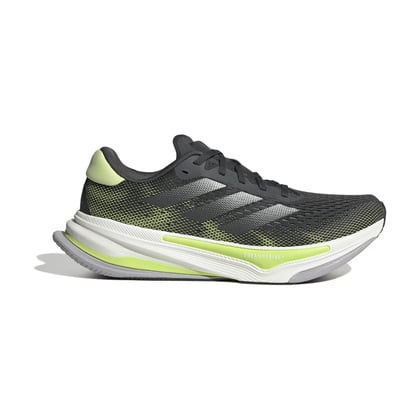

Adidas Supernova Prima 1
Best price today
£79.00£160.00−51%
at Start Fitness · 17% under 30d avg
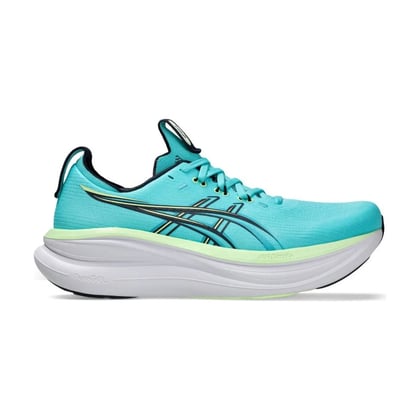

Asics Gel Nimbus 28
Best price today
£106.24£180.00−41%
at Run North West · 30% under 30d avg
| Spec | Supernova Prima 1 | Gel Nimbus 28 |
|---|---|---|
| Best price now | £79.00 | £106.24 |
| 90-day low | £74.99 | £100.80 |
| 30-day average | £94.64 | £152.52 |
| RRP | £160.00 | £180.00 |
| Category | Max Cushion | Max Cushion |
| Surface | Road | Road |
| Weight | 290g | 278g |
| Drop | 8mm | 5.2mm |
| Heel stack | 37.5mm | 39.5mm |
| Forefoot stack | 29.5mm | 34.3mm |
| Carbon plated | No | No |
| Stability | No | No |
| Review rating | - | - |
Expert review
Supernova Prima 1 or Gel Nimbus 28: which should you buy?
Supernova Prima 1
The Supernova Prima is adidas leaning all the way into soft, protective cushioning: a deeply padded max-cushion running shoe built for easy miles and long, gentle recovery days rather than speed. It sits above the daily Supernova Rise in the range, trading a little snap for a plusher, more forgiving ride underfoot. At 290g it is on the heavier side of the category, and with no plate and an 8mm drop this is a comfort trainer first and foremost, not a tempo tool. What you get for the £160 RRP is a smooth, cushioned road shoe that soaks up the pounding on higher-mileage weeks and keeps your legs feeling fresh. We rate it as a specialist rather than an all-rounder. If you want one shoe to do easy days and workouts, look elsewhere. If you want a dedicated cruiser for long, relaxed miles, it makes a strong case.
Gel Nimbus 28
The Gel Nimbus 28 is ASICS at its plushest: a max-cushion neutral daily training shoe built to soak up the miles and protect your legs, not to chase pace. This is the shoe you reach for on easy days, recovery jogs and long steady runs when comfort matters more than speed. At 278g it is on the heavier side, and with a tall 39.5mm heel and a moderate 5.2mm drop the ride is soft, planted and forgiving rather than quick. If you loved the Gel Nimbus 27, the 28 keeps the same brief and refines the feel. We rate it as one of the most dependable premium daily trainers for higher-mileage runners who want a cushioned running shoe that simply gets out of the way. It is not a do-everything shoe and it is not cheap, but for what it sets out to do it is very good.
At a glance
Supernova Prima 1 vs Gel Nimbus 28: how they score
Supernova Prima 1
Lightness5.5
Cushioning9.0
Flexibility6.0
Responsive5.5
Stability6.5
Grip7.5
Gel Nimbus 28
Lightness5.0
Cushioning9.5
Flexibility6.0
Responsive6.0
Stability6.5
Grip8.0
Who it suits
Who the Supernova Prima 1 and the Gel Nimbus 28 are for
Supernova Prima 1
90D Low£74.99
30D Avg£94.64
RRP£160.00
UK prices
Where to buy the Supernova Prima 1


- 01Start FitnessLIVE£79.00£160.00−51%
- 02Direct RunningLIVE£87.36£160.00−45%
- 03Run North West6d ago£99.99£160.00−38%
- 04LovellLIVE£105.00£160.00−34%
- 05Side Kicks5d ago£181.00


