//
Supernova Prima 1 vs Glycerin Max 2
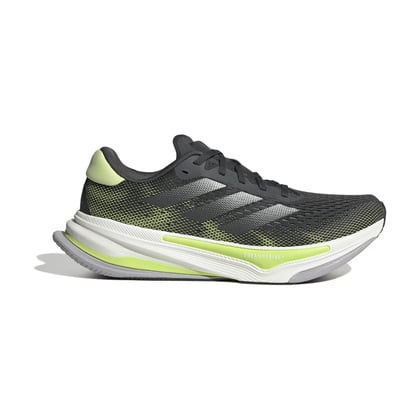

Adidas Supernova Prima 1
Best price today
£79.00£160.00−51%
at Start Fitness · 17% under 30d avg
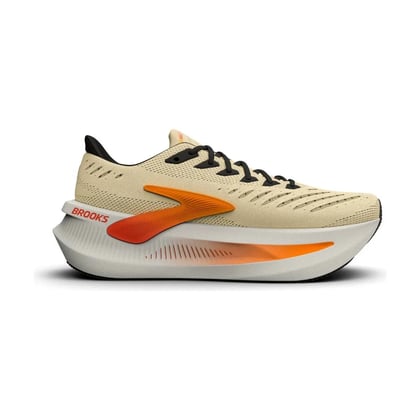
Brooks Glycerin Max 2
Best price today
£110.00£170.00−35%
at AlexandraSports · 34% under 30d avg
| Spec | Supernova Prima 1 | Glycerin Max 2 |
|---|---|---|
| Best price now | £79.00 | £110.00 |
| 90-day low | £74.99 | £100.00 |
| 30-day average | £94.64 | £166.54 |
| RRP | £160.00 | £170.00 |
| Category | Max Cushion | Max Cushion |
| Surface | Road | Road |
| Weight | 290g | 305g |
| Drop | 8mm | 6mm |
| Heel stack | 37.5mm | 42.3mm |
| Forefoot stack | 29.5mm | 35.7mm |
| Carbon plated | No | No |
| Stability | No | No |
| Review rating | - | - |
Expert review
Supernova Prima 1 or Glycerin Max 2: which should you buy?
Supernova Prima 1
The Supernova Prima is adidas leaning all the way into soft, protective cushioning: a deeply padded max-cushion running shoe built for easy miles and long, gentle recovery days rather than speed. It sits above the daily Supernova Rise in the range, trading a little snap for a plusher, more forgiving ride underfoot. At 290g it is on the heavier side of the category, and with no plate and an 8mm drop this is a comfort trainer first and foremost, not a tempo tool. What you get for the £160 RRP is a smooth, cushioned road shoe that soaks up the pounding on higher-mileage weeks and keeps your legs feeling fresh. We rate it as a specialist rather than an all-rounder. If you want one shoe to do easy days and workouts, look elsewhere. If you want a dedicated cruiser for long, relaxed miles, it makes a strong case.
Glycerin Max 2
The Glycerin Max 2 is Brooks going all-in on soft, tall, protective cushioning. This is a max-cushion daily training shoe built for one job: swallowing up easy and recovery miles so your legs feel fresh the next day. With a 42.3mm heel stack and dual-density DNA Tuned foam underfoot, you sit high off the road and the landings are pillowy rather than snappy. At 305g it is a heavy running shoe, and it never pretends to be quick. There is no carbon plate and no pretence of speed. What you get instead is a big, forgiving platform and a smooth, rockered roll from heel to toe that keeps long slow runs comfortable well past the hour mark. In our view it sits at the plush end of the daily-trainer market, up against the Hoka Bondi 9 and Nike Vomero 18. If you want cushioning first and pace last, it delivers.
At a glance
Supernova Prima 1 vs Glycerin Max 2: how they score
Supernova Prima 1
Lightness5.5
Cushioning9.0
Flexibility6.0
Responsive5.5
Stability6.5
Grip7.5
Glycerin Max 2
Lightness4.5
Cushioning9.5
Flexibility5.0
Responsive5.0
Stability7.0
Grip7.5
Who it suits
Who the Supernova Prima 1 and the Glycerin Max 2 are for
90D Low£74.99
30D Avg£94.64
RRP£160.00
UK prices
Where to buy the Supernova Prima 1


- 01Start FitnessLIVE£79.00£160.00−51%
- 02Direct RunningLIVE£87.36£160.00−45%
- 03Run North West6d ago£99.99£160.00−38%
- 04LovellLIVE£105.00£160.00−34%
- 05Side Kicks5d ago£181.00


