Escalante 4 vs Escalante 5
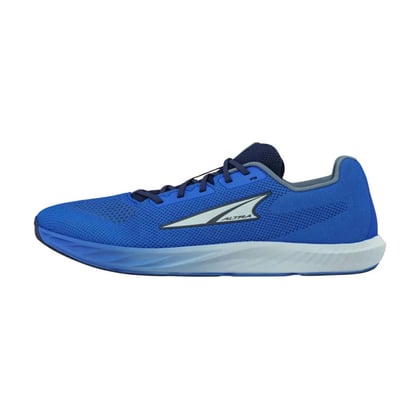


| Spec | Escalante 4 | Escalante 5 |
|---|---|---|
| Best price now | £60 | £88 |
| 90-day low | £60 | £87 |
| 30-day average | £91.78 | £108.78 |
| RRP | £130 | £124.90 |
| Category | Lightweight | Daily |
| Surface | Road | Road |
| Weight | 240g | 275g |
| Drop | 0mm | 2.2mm |
| Heel stack | 24mm | 25.9mm |
| Forefoot stack | 24mm | 23.7mm |
| Carbon plated | No | No |
| Stability | No | No |
| Review rating | - | - |
Escalante 4 or Escalante 5: which should you buy?
Escalante 4
The Altra Escalante 4 is a lightweight zero-drop running shoe built for runners who want their feet to do the work rather than the shoe. At 240g with a completely flat 0mm drop and Altra's signature wide FootShape toe box, it sits between a natural-feel daily trainer and a lightweight uptempo option. This is not a max-cushion cruiser and it is not a plated racer. It is a firm, flexible, ground-connected ride that rewards a midfoot or forefoot strike and lets your toes splay naturally. We rate it as one of the more accessible zero-drop road shoes on the market, and the knit upper gives it a sock-like, everyday feel that many runners live in. If you already run in low or zero-drop shoes, or you are working towards a more natural gait, the Escalante 4 is an easy shoe to recommend. If you are used to a raised heel and plush foam, know that the £130 asking price buys feel and simplicity, not softness.
Escalante 5
The Escalante 5 is heavier than the shoe it replaces. Our spec sheet has it at 275g against 240g for the Escalante 4, with a touch more stack and a 2.2mm drop, which is still close to the zero-drop idea Altra builds everything around. In return you get a tougher outsole and a better-fitting knit upper, and most reviewers found the foam a little bouncier than before. It remains a low, flexible daily running shoe with a wide toe box, aimed at runners already used to zero or near-zero drop who want to feel the road and let their toes spread. The ride divides opinion. Run To The Finish liked the springy, grounded feel and rated it the best Escalante so far, while RTINGS found the cushioning harsh and too thin for long runs. We land in the middle. It's a good shoe for short and steady runs, but we wouldn't take it into marathon training, and if you've never run in low-drop trainers it's the wrong place to start.
Escalante 4 vs Escalante 5: how they score
Escalante 4
Lightness8.0
Cushioning6.0
Flexibility8.5
Responsive7.0
Stability6.5
Grip7.0
Escalante 5
Lightness6.0
Cushioning4.5
Flexibility8.5
Responsive6.5
Stability8.0
Grip5.5
Who the Escalante 4 and the Escalante 5 are for
Escalante 4
90D Low£60
30D Avg£91.78
RRP£130
Where to buy the Escalante 4


- 01RunningBear2d ago£60£130−54%Women's
- 02JohnLewisLIVE£62.50£130−52%Men's
- 03JohnLewis2d ago£62.50£130−52%Women's
- 04AmazonLIVE£65.75£130−49%Men's
- 05RunningXpert4d ago£72£130−45%Women's
- 06SportsShoesLIVE£74.99£130−42%Men's
- 07SportsShoes1d ago£74.99£130−42%Women's
- 08AltraRunning1d ago£75£130−42%Women's
- 09Fitstuff5d ago£75£130−42%Men's
- 10Fitstuff6d ago£75£130−42%Women's
- 11Rackhams6d ago£80.98£130−38%Women's
- 12RunningXpert4d ago£83£130−36%Men's
- 13Run North WestLIVE£84.99£130−35%Men's
- 14runningbath.co.uk2d ago£87.50£130−33%Women's
- 15Express TrainersLIVE£87.99£130−32%Men's
- 16Secret SalesLIVE£89.99£130−31%Men's
- 17Amazon1d ago£93.50£130−28%Women's
- 18RunAndBecomeLIVE£100£130−23%Check gender
- 19The Jog ShopLIVE£110£130−15%Women's
- 20The Jog ShopLIVE£110£130−15%Men's
- 21Adapt Run HubLIVE£135Women's
Live = checked in the last 24 hours. Older prices show when we last saw them.


