Torin 8 vs FuelCell Propel 5


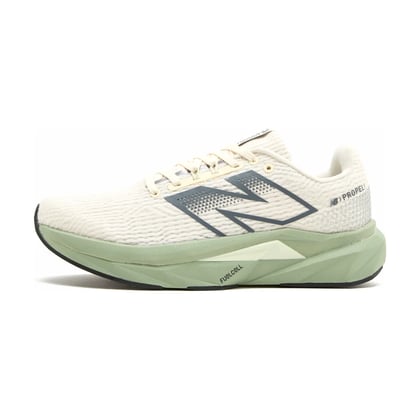

New Balance FuelCell Propel 5
Best price today
£49.99£120−58%
at MandM90D LOW · 43% under 30d avg
| Spec | Torin 8 | FuelCell Propel 5 |
|---|---|---|
| Best price now | £50 | £49.99 |
| 90-day low | £64.80 | £49.99 |
| 30-day average | £102.81 | £87.46 |
| RRP | £150 | £120 |
| Category | Daily | Daily |
| Surface | Road | Road |
| Weight | 278g | 280g |
| Drop | 0mm | 6mm |
| Heel stack | 30mm | 34mm |
| Forefoot stack | 30mm | 28mm |
| Carbon plated | No | No |
| Stability | No | No |
| Review rating | - | - |
Torin 8 or FuelCell Propel 5: which should you buy?
Torin 8
The Altra Torin 8 is a cushioned zero-drop daily training shoe built for runners who want a soft, roomy ride with their heel and forefoot sitting level at 0mm drop. This is Altra's classic everyday road runner, and the eighth version keeps the recipe honest: a natural foot-flat platform, a wide anatomical toe box and enough foam to soak up easy miles. At 278g it is not the lightest daily trainer around, and the zero-drop geometry asks more of your calves and achilles than a raised-heel shoe does, so it rewards runners who are already comfortable running flat. If you like the feel of the ground under a level foot but still want proper cushioning, this is one of the most complete zero-drop options on the market. Newer to Altra? The lighter Escalante 4 is a gentler place to start.
FuelCell Propel 5
The FuelCell Propel 5 is New Balance at its most sensible: an affordable neutral daily running shoe built to soak up easy miles without emptying your wallet. At around £120 it sits at the value end of the daily trainer market, and it plays that role honestly. The FuelCell foam gives you a firm, stable, dependable ride rather than a soft bouncy one, so this is a shoe for logging steady mileage, easing into a training habit, or keeping your knees happy on recovery days. At 280g it is on the heavier side for a modern daily trainer, and it is not going to make you feel fast. That is fine. If you want more pop for tempo days, New Balance's own FuelCell Rebel 5 is the livelier sibling, and the Nike Pegasus 42 is the obvious workhorse rival. But as a first proper running shoe or a rugged easy-day option, the Propel 5 earns its keep.
Torin 8 vs FuelCell Propel 5: how they score
Torin 8
Lightness6.0
Cushioning8.5
Flexibility7.5
Responsive5.5
Stability6.5
Grip7.0
FuelCell Propel 5
Lightness5.5
Cushioning7.0
Flexibility6.5
Responsive5.5
Stability7.5
Grip7.0
Who the Torin 8 and the FuelCell Propel 5 are for
Torin 8
Who should buy it
90D Low£64.80
30D Avg£102.81
RRP£150
Where to buy the Torin 8


- 01RunningBear3d ago£50£150−67%Men's
- 02Greaves1d ago£64.80£150−57%Women's
- 03The Running Outlet5d ago£71.99£150−52%Men's
- 04Sportstore3d ago£74.95£150−50%Men's
- 05Amazon1d ago£76.60£150−49%Men's
- 06SportsShoes1d ago£79.99£150−47%Women's
- 07SportsShoes1d ago£79.99£150−47%Men's
- 08AltraRunning1d ago£81£150−46%Women's
- 09AltraRunning1d ago£81£150−46%Men's
- 10Start Fitness5d ago£89£150−41%Men's
- 11Alton Sports1d ago£89.99£150−40%Women's
- 12Run North West3d ago£89.99£150−40%Men's
- 13Alpine Trek1d ago£94.47£150−37%Men's
- 14Secret Sales1d ago£97.99£150−35%Men's
- 15Amazon3d ago£106.72£150−29%Women's
- 16DirectRunning2d ago£113.39£150−24%Men's
- 17Direct RunningLIVE£135.38£150−10%Women's
Live = checked in the last 24 hours. Older prices show when we last saw them.


