//
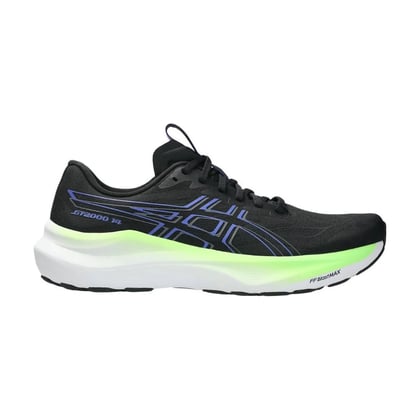
GT-2000 14 vs Structure 25

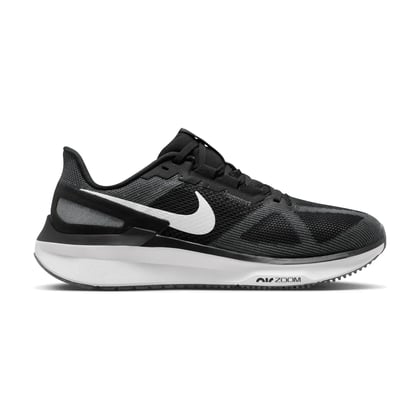

Nike Structure 25
Best price today
£59.99£130.00−54%
at SportsShoes90D LOW · 26% under 30d avg
| Spec | GT-2000 14 | Structure 25 |
|---|---|---|
| Best price now | £70.00 | £59.99 |
| 90-day low | £59.19 | £59.99 |
| 30-day average | £113.72 | £80.66 |
| RRP | £130.00 | £130.00 |
| Category | Stability | Stability |
| Surface | Road | Road |
| Weight | 273g | 289g |
| Drop | 8mm | 10mm |
| Heel stack | 36.5mm | 37.7mm |
| Forefoot stack | 28.5mm | 27.7mm |
| Carbon plated | No | No |
| Stability | Yes | No |
| Review rating | - | - |
Expert review
GT-2000 14 or Structure 25: which should you buy?
GT-2000 14
The GT-2000 14 is Asics doing what it has done well for years: a dependable, lightweight daily stability shoe that quietly gets the job done. This is the value end of the support range, the running shoe you reach for when you want gentle guidance without the price or the plushness of the flagship Gel Kayano 32. It is built for mild to moderate overpronators logging easy miles, marathon training base weeks and steady commutes, not for chasing times. At an RRP of 130 pounds it sits in the everyday-trainer bracket, and that is exactly how we would use it. The support is built in rather than bolted on, so the ride feels natural instead of corrective. It will not excite you and it is not trying to. What it offers is a stable, no-drama daily training shoe that holds its form mile after mile, which for a lot of runners is the whole point.
Structure 25
The Nike Structure 25 is a support-minded daily training shoe built for runners who want a bit of guidance under the foot without giving up an everyday, do-anything feel. This is a stability running shoe in the traditional mould: a firm, planted ride, a 10mm drop that heel-strikers will get on with, and enough structure to keep a mild overpronator tracking straight through the back half of a long run. It is not light. At 289g it sits at the heavier end of the daily-trainer market, and you feel that on faster days. But that mass buys durability and calm. We rate it as a steady, dependable mileage shoe rather than an exciting one, and it makes most sense for runners logging easy and steady miles who value support over pop. If you want a livelier neutral ride from the same stable, the Nike Pegasus 42 is the natural alternative. For structured support, the Structure 25 does its job honestly.
At a glance
GT-2000 14 vs Structure 25: how they score
GT-2000 14
Lightness7.0
Cushioning7.0
Flexibility6.5
Responsive5.5
Stability8.5
Grip7.5
Structure 25
Lightness5.3
Cushioning7.2
Flexibility6.0
Responsive5.8
Stability8.6
Grip7.5
Who it suits
Who the GT-2000 14 and the Structure 25 are for
90D Low£59.19
30D Avg£113.72
RRP£130.00
UK prices
Where to buy the GT-2000 14


- 01RunningBear2d ago£70.00£130.00−46%
- 02Alpine TrekLIVE£82.17£130.00−37%
- 03SportsShoesLIVE£83.99£130.00−35%
- 04SportsShoesLIVE£83.99£130.00−35%
- 05DirectRunning5d ago£89.08£130.00−31%
- 06Moti RunningLIVE£89.96£130.00−31%
- 07Moti Running4d ago£89.96£130.00−31%
- 08365RiderLIVE£93.54£130.00−28%
- 09DirectSportsLIVE£94.95£130.00−27%
- 10AchillesHeel2d ago£98.00£130.00−25%
- 11DirectSports1d ago£98.95£130.00−24%
- 12365RiderLIVE£99.27£130.00−24%
- 13Rugby Heaven2d ago£99.95£130.00−23%
- 14AmazonLIVE£102.04£130.00−22%
- 15DonaghysLIVE£105.00£130.00−19%
- 16DerbyRunner5d ago£105.00£130.00−19%
- 17Sportsdirect2d ago£115.00£130.00−12%
- 18HouseOfFraser2d ago£115.00£130.00−12%
- 19Sporting FeetLIVE£120.00£130.00−8%
- 20Sporting FeetLIVE£120.00£130.00−8%
- 21The Jog ShopLIVE£120.00£130.00−8%
- 22Go OutdoorsLIVE£140.00
- 23Run ActiveLIVE£140.00
- 24Run ActiveLIVE£140.00
- 25JohnLewis2d ago£140.00


