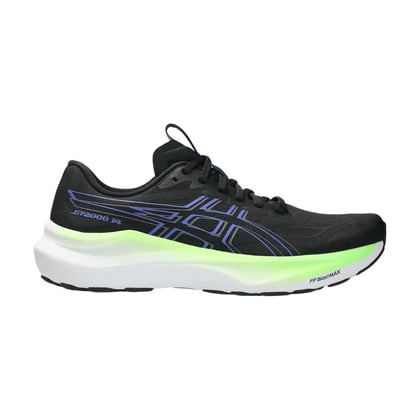
GT-2000 14 vs ForeverRun Nitro 1


Puma ForeverRun Nitro 1
Best price today
£40£150−73%
at Start Fitness90D LOW · 44% under 30d avg
| Spec | GT-2000 14 | ForeverRun Nitro 1 |
|---|---|---|
| Best price now | £65 | £40 |
| 90-day low | £65 | £60 |
| 30-day average | £108.97 | £71.98 |
| RRP | £130 | £150 |
| Category | Stability | Stability |
| Surface | Road | Road |
| Weight | 273g | 274g |
| Drop | 8mm | 10mm |
| Heel stack | 36.5mm | 40mm |
| Forefoot stack | 28.5mm | 30mm |
| Carbon plated | No | No |
| Stability | Yes | No |
| Review rating | - | - |
GT-2000 14 or ForeverRun Nitro 1: which should you buy?
GT-2000 14
The GT-2000 14 is Asics doing what it has done well for years: a dependable, lightweight daily stability shoe that quietly gets the job done. This is the value end of the support range, the running shoe you reach for when you want gentle guidance without the price or the plushness of the flagship Gel Kayano 32. It is built for mild to moderate overpronators logging easy miles, marathon training base weeks and steady commutes, not for chasing times. At an RRP of 130 pounds it sits in the everyday-trainer bracket, and that is exactly how we would use it. The support is built in rather than bolted on, so the ride feels natural instead of corrective. It will not excite you and it is not trying to. What it offers is a stable, no-drama daily training shoe that holds its form mile after mile, which for a lot of runners is the whole point.
ForeverRun Nitro 1
The ForeverRun Nitro is Puma's answer to the big, dependable stability trainer, and it lands squarely in that daily-mileage space rather than trying to be fast. This is a supportive road running shoe built for runners who want their legs held steady over long, repeated miles. At 274g it is a substantial shoe, and you feel that weight, but you also feel the reward: a stable, planted platform with a 10mm drop that suits heel and midfoot strikers alike. Puma leans on structure rather than a firm medial post you can feel, so the guidance is there without shouting. If you have bounced off aggressive stability shoes like the Asics Gel Kayano in the past, this is a gentler take on the same idea. We rate it as a genuine long-run workhorse for overpronators and heavier runners who value durability and calm underfoot over pace.
GT-2000 14 vs ForeverRun Nitro 1: how they score
GT-2000 14
Lightness7.0
Cushioning7.0
Flexibility6.5
Responsive5.5
Stability8.5
Grip7.5
ForeverRun Nitro 1
Lightness5.0
Cushioning8.5
Flexibility5.0
Responsive5.5
Stability9.0
Grip8.5
Who the GT-2000 14 and the ForeverRun Nitro 1 are for
GT-2000 14
Who should buy it
90D Low£65
30D Avg£108.97
RRP£130
Where to buy the GT-2000 14


- 01RunningBearLIVE£65£130−50%Women's
- 02Run ActiveLIVE£70£130−46%Women's
- 03365RiderLIVE£76.50£130−41%Men's
- 04RunningBear2d ago£80£130−38%Men's
- 05SportsShoesLIVE£83.99£130−35%Women's
- 06RunningXpertLIVE£84£130−35%Men's
- 07CotswoldOutdoorLIVE£90.89£130−30%Women's
- 08Runner's NeedLIVE£90.89£130−30%Women's
- 09Sporting FeetLIVE£94.50£130−27%Women's
- 10DirectSports3d ago£94.95£130−27%Men's
- 11Start Fitness3d ago£99£130−24%Women's
- 12Moti RunningLIVE£99.95£130−23%Women's
- 13Moti Running1d ago£99.95£130−23%Men's
- 14SportsdirectLIVE£100£130−23%Women's
- 15SportsdirectLIVE£100£130−23%Men's
- 16HouseOfFraser2d ago£100£130−23%Men's
- 17The Jog ShopLIVE£115£130−12%Men's
- 18HouseOfFraser3d ago£115£130−12%Women's
- 19Amazon3d ago£117.27£130−10%Women's
- 20Alpine TrekLIVE£130.10Men's
- 21Go OutdoorsLIVE£140Women's
- 22Run ActiveLIVE£140Men's
- 23Sutton Runner3d ago£140Women's
- 24Side Kicks1d ago£165Check gender
- 25Side Kicks3d ago£172Women's
Live = checked in the last 24 hours. Older prices show when we last saw them.
