Magic Speed 5 vs FuelCell Rebel 4
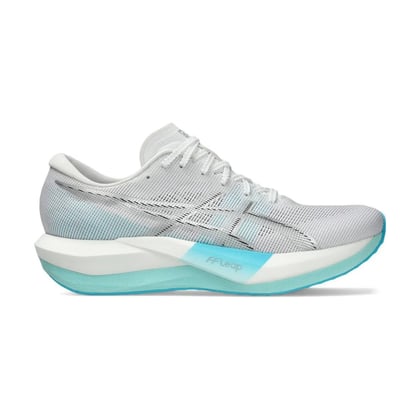

Asics Magic Speed 5
Best price today
£85.00£170.00−50%
at End Clothing90D LOW · 39% under 30d avg
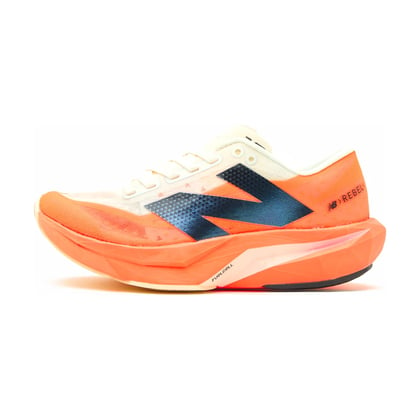

New Balance FuelCell Rebel 4
Best price today
£69.99£140.00−50%
at SportsShoes90D LOW · 34% under 30d avg
| Spec | Magic Speed 5 | FuelCell Rebel 4 |
|---|---|---|
| Best price now | £85.00 | £69.99 |
| 90-day low | £85.00 | £69.99 |
| 30-day average | £138.23 | £105.83 |
| RRP | £170.00 | £140.00 |
| Category | Tempo | Tempo |
| Surface | Road | Road |
| Weight | 193g | 212g |
| Drop | 7mm | 6mm |
| Heel stack | 37mm | 30mm |
| Forefoot stack | 30mm | 24mm |
| Carbon plated | Yes | No |
| Stability | No | No |
| Review rating | - | - |
Expert review
Magic Speed 5 or FuelCell Rebel 4: which should you buy?
Magic Speed 5
The Magic Speed 5 is Asics doing the sensible thing: a carbon-plated running shoe that hands you race-day pop without asking for full super-shoe money. It sits a rung below the Metaspeed Sky racers, so think of it as a carbon tempo shoe and part-time marathon shoe rather than an out-and-out record chaser. At 193g with a 37mm heel and a 7mm drop, it is light and low-slung enough to feel fast, and the FF Turbo foam gives it genuine bounce when you lean into a session. What makes it worth a look is versatility. It will pace a threshold workout on Tuesday, then carry you through a half or a first marathon on Sunday without feeling like overkill. It is not the softest or the most aggressive shoe in its class, but as a one-shoe answer for a runner who wants some carbon assistance across a range of paces, we rate it highly.
FuelCell Rebel 4
The FuelCell Rebel v4 is New Balance at its most fun: a lightweight, plateless tempo shoe built to make quick running feel easy. At 212g it is properly light, and there is no carbon plate here, so the pop comes straight from a soft, springy FuelCell midsole rather than a stiff propulsion board. That makes it one of the more versatile speed shoes going. You can rip a session in it, float through a steady long run, then use it as a do-everything daily trainer the next morning. It sits in that sweet spot between a cushioned daily and a race shoe, and it does it for a fair RRP. If you want a single pair to cover most of your mileage without buying a rotation, this is a strong pick. The newer Rebel v5 has since arrived, so the v4 is often the smarter buy on price. Just do not expect the locked-in, aggressive feel of a plated racer. This one is about bounce and freedom, not rigidity.
At a glance
Magic Speed 5 vs FuelCell Rebel 4: how they score
Magic Speed 5
Lightness8.5
Cushioning7.0
Flexibility5.5
Responsive8.5
Stability6.5
Grip7.5
FuelCell Rebel 4
Lightness9.0
Cushioning8.0
Flexibility8.0
Responsive8.2
Stability5.5
Grip7.5
Who it suits
Who the Magic Speed 5 and the FuelCell Rebel 4 are for
90D Low£85.00
30D Avg£138.23
RRP£170.00
UK prices
Where to buy the Magic Speed 5


- 01End Clothing1d ago£85.00£170.00−50%
- 02SportsShoesLIVE£101.99£170.00−40%
- 03Run North West3d ago£101.99£170.00−40%
- 04RunningXpertLIVE£109.00£170.00−36%
- 05Run North West5d ago£119.99£170.00−29%
- 06SportsdirectLIVE£120.00£170.00−29%
- 07365RiderLIVE£124.09£170.00−27%
- 08HouseOfFraser3d ago£135.00£170.00−21%
- 09Start Fitness3d ago£152.90£170.00−10%
- 10Run ActiveLIVE£170.00
