Megablast 1 vs Neo Vista 2
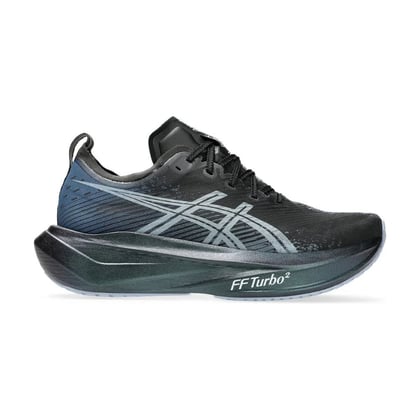

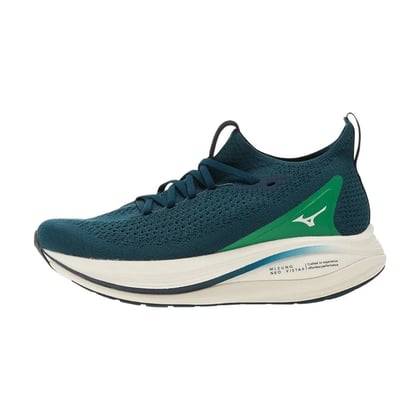

| Spec | Megablast 1 | Neo Vista 2 |
|---|---|---|
| Best price now | £168 | £69.99 |
| 90-day low | £157.53 | £67.50 |
| 30-day average | £208.30 | £102.10 |
| RRP | £210 | £155 |
| Category | Super Trainer | Super Trainer |
| Surface | Road | Road |
| Weight | 230g | 264g |
| Drop | 8mm | 9mm |
| Heel stack | 46mm | 46mm |
| Forefoot stack | 38mm | 37mm |
| Carbon plated | No | No |
| Stability | No | No |
| Review rating | - | - |
Expert review
Megablast 1 or Neo Vista 2: which should you buy?
Megablast 1
The Asics Megablast is the brand's big, bouncy super trainer: a plateless max-stack running shoe that sits above the Superblast as the softer, taller, more cushioned option in the line. There is no carbon plate here, so the propulsion comes purely from a huge 46mm heel of FF Turbo Squared foam and the shape of the sole. That makes it a versatile do-everything trainer rather than a pure speed tool. It soaks up easy miles, holds a long run together, and still has enough energy return to lift into a steady tempo when you want it. At 230g it is not light for a trainer, and at £229 it is priced like a race shoe, so it asks a lot up front. But if you want one cushioned shoe that covers most of your week without a plate dictating the ride, the Megablast makes a strong case. We rate it as a premium daily-to-long-run trainer with real pop.
Neo Vista 2
The Neo Vista 2 is Mizuno's big, soft super trainer, a max-stack running shoe built to soak up mileage rather than chase a personal best. Its Enerzy NXT foam posted the highest shock absorption RUNSHOEINDEX has seen tested in 2026, and you feel that the moment you land: deep, protective, easy on tired legs. This is a shoe for the bulk of your week, the long runs and steady miles where comfort matters more than snap. It is not a racer and it does not pretend to be. At 264g it carries some weight, and without a firm plate it stays smooth and cushioned instead of aggressive. If you liked the plush, rolling feel of the first Neo Vista, version 2 keeps the recipe and dials up the softness. In a category led by the Asics Superblast 3, the Neo Vista 2 makes its case on pure cushioning.
At a glance
Megablast 1 vs Neo Vista 2: how they score
Megablast 1
Lightness6.5
Cushioning9.5
Flexibility6.0
Responsive7.5
Stability6.5
Grip7.5
Neo Vista 2
Lightness5.5
Cushioning9.7
Flexibility6.0
Responsive6.5
Stability6.0
Grip7.5
Who it suits
Who the Megablast 1 and the Neo Vista 2 are for
90D Low£157.53
30D Avg£208.30
RRP£210
UK prices
Where to buy the Megablast 1


- 01DerbyRunnerLIVE£168£210−20%Unisex
- 02HouseOfFraser4d ago£175£210−17%Men's
- 03365RiderLIVE£181.40£210−14%Unisex
- 04Start FitnessLIVE£209.90Check gender
- 05SportsdirectLIVE£209.99Men's
- 06SportsShoesLIVE£209.99Check gender
- 07AchillesHeel1d ago£210Check gender
- 08Run North West1d ago£210Unisex
- 09Side Kicks4d ago£259Check gender


