Megablast 1 vs Neo Vista 3
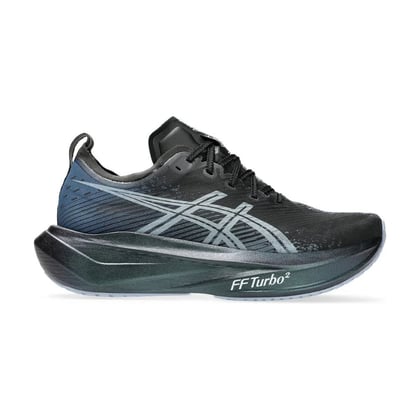


| Spec | Megablast 1 | Neo Vista 3 |
|---|---|---|
| Best price now | £171.85 | £90 |
| 90-day low | £155.31 | £90 |
| 30-day average | £189.66 | £127.24 |
| RRP | £210 | £150 |
| Category | Super Trainer | Super Trainer |
| Surface | Road | Road |
| Weight | 230g | 266g |
| Drop | 8mm | 8.5mm |
| Heel stack | 46mm | 43.5mm |
| Forefoot stack | 38mm | 35mm |
| Carbon plated | No | No |
| Stability | No | No |
| Review rating | - | - |
Megablast 1 or Neo Vista 3: which should you buy?
Megablast 1
The Asics Megablast is the brand's big, bouncy super trainer: a plateless max-stack running shoe that sits above the Superblast as the softer, taller, more cushioned option in the line. There is no carbon plate here, so the propulsion comes purely from a huge 46mm heel of FF Turbo Squared foam and the shape of the sole. That makes it a versatile do-everything trainer rather than a pure speed tool. It soaks up easy miles, holds a long run together, and still has enough energy return to lift into a steady tempo when you want it. At 230g it is not light for a trainer, and at £229 it is priced like a race shoe, so it asks a lot up front. But if you want one cushioned shoe that covers most of your week without a plate dictating the ride, the Megablast makes a strong case. We rate it as a premium daily-to-long-run trainer with real pop.
Neo Vista 3
Mizuno trimmed the Neo Vista this year instead of making it bigger. Our spec sheet has the 3 a little lower than the Neo Vista 2 at heel and forefoot, at much the same 266g, and the RRP comes down to £150. The change reviewers noticed first is the fit: the heel now holds your foot properly, and the length complaints about the last version have gone. Underfoot it's still a big, soft max-cushion super trainer with no carbon plate, and most testers liked it more than the 2. Where they part ways is pace. Some found real spring for uptempo finishes, while one lab measured only modest energy return and called it bulky once you push. Doctors of Running graded the performance highly but marked the fit down hard, mostly for thick heel padding that bothered a tester's Achilles. We'd buy it as a long-run and recovery running shoe and leave the intervals to something lighter.
Megablast 1 vs Neo Vista 3: how they score
Megablast 1
Lightness6.5
Cushioning9.5
Flexibility6.0
Responsive7.5
Stability6.5
Grip7.5
Neo Vista 3
Lightness5.5
Cushioning9.3
Flexibility4.0
Responsive6.5
Stability7.5
Grip7.5
Who the Megablast 1 and the Neo Vista 3 are for
Megablast 1
90D Low£155.31
30D Avg£189.66
RRP£210
Where to buy the Megablast 1


- 01365RiderLIVE£171.85£210−18%Unisex
- 02Start FitnessLIVE£188.90£210−10%Check gender
- 03RunningBear5d ago£190£210−10%Unisex
- 04Runner's NeedLIVE£209.95Men's
- 05CotswoldOutdoorLIVE£209.95Men's
- 06SportsShoesLIVE£209.99Check gender
- 07RunlimitedLIVE£210Unisex
Live = checked in the last 24 hours. Older prices show when we last saw them.


