Megablast 1 vs Deviate Pure Nitro 1
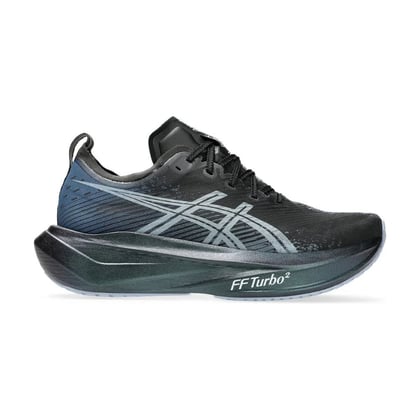

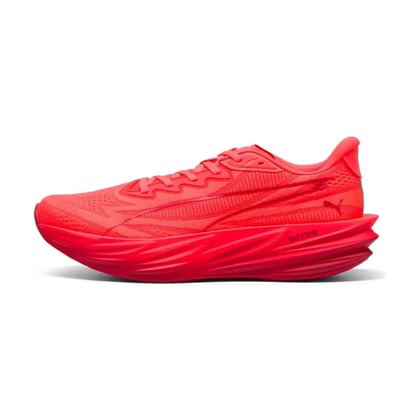

| Spec | Megablast 1 | Deviate Pure Nitro 1 |
|---|---|---|
| Best price now | £168 | £95.45 |
| 90-day low | £157.53 | £81.09 |
| 30-day average | £208.30 | £113.92 |
| RRP | £210 | £150 |
| Category | Super Trainer | Super Trainer |
| Surface | Road | Road |
| Weight | 230g | 220g |
| Drop | 8mm | 8mm |
| Heel stack | 46mm | 38mm |
| Forefoot stack | 38mm | 30mm |
| Carbon plated | No | No |
| Stability | No | No |
| Review rating | - | - |
Expert review
Megablast 1 or Deviate Pure Nitro 1: which should you buy?
Megablast 1
The Asics Megablast is the brand's big, bouncy super trainer: a plateless max-stack running shoe that sits above the Superblast as the softer, taller, more cushioned option in the line. There is no carbon plate here, so the propulsion comes purely from a huge 46mm heel of FF Turbo Squared foam and the shape of the sole. That makes it a versatile do-everything trainer rather than a pure speed tool. It soaks up easy miles, holds a long run together, and still has enough energy return to lift into a steady tempo when you want it. At 230g it is not light for a trainer, and at £229 it is priced like a race shoe, so it asks a lot up front. But if you want one cushioned shoe that covers most of your week without a plate dictating the ride, the Megablast makes a strong case. We rate it as a premium daily-to-long-run trainer with real pop.
Deviate Pure Nitro 1
The Deviate Pure Nitro is Puma's plateless super trainer, and it sits in a clever spot: most of the bounce of a race shoe, without the plate telling your legs what to do. It runs on a full PEBA Nitrofoam midsole with a 38mm heel and 30mm forefoot, an 8mm drop, and a listed 220g, so it is light for how much shoe you get underfoot. This is a fast everyday trainer rather than a marathon racer. It shines on tempo runs, progression runs and honest daily miles where you want a lively, energetic ride but still want your foot to do the steering. Because there is no carbon plate, it feels more natural and forgiving than a plated super trainer like the Puma Deviate Nitro Elite 4, which makes it easier to run slow in. If you want one bouncy running shoe that covers most of your week, this is a strong pick.
At a glance
Megablast 1 vs Deviate Pure Nitro 1: how they score
Megablast 1
Lightness6.5
Cushioning9.5
Flexibility6.0
Responsive7.5
Stability6.5
Grip7.5
Deviate Pure Nitro 1
Lightness8.0
Cushioning8.0
Flexibility6.5
Responsive8.5
Stability6.0
Grip7.0
Who it suits
Who the Megablast 1 and the Deviate Pure Nitro 1 are for
90D Low£157.53
30D Avg£208.30
RRP£210
UK prices
Where to buy the Megablast 1


- 01DerbyRunnerLIVE£168£210−20%Unisex
- 02HouseOfFraser4d ago£175£210−17%Men's
- 03365RiderLIVE£181.40£210−14%Unisex
- 04Start FitnessLIVE£209.90Check gender
- 05SportsdirectLIVE£209.99Men's
- 06SportsShoesLIVE£209.99Check gender
- 07AchillesHeel1d ago£210Check gender
- 08Run North West1d ago£210Unisex
- 09Side Kicks4d ago£259Check gender


