//
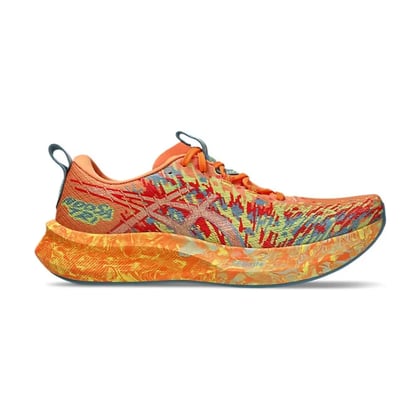
Noosa Tri 16 vs FuelCell Rebel 5

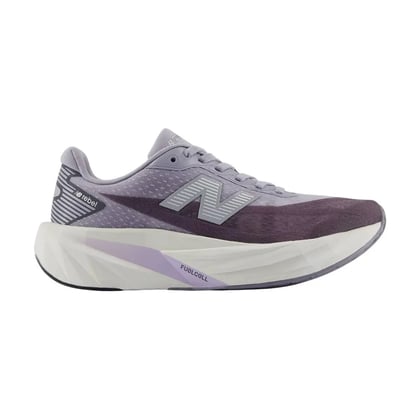

New Balance FuelCell Rebel 5
Best price today
£76.50£140.00−45%
at Snowleader.co.uk · 33% under 30d avg
| Spec | Noosa Tri 16 | FuelCell Rebel 5 |
|---|---|---|
| Best price now | £80.99 | £76.50 |
| 90-day low | £72.37 | £58.00 |
| 30-day average | £99.34 | £114.40 |
| RRP | £140.00 | £140.00 |
| Category | Tempo | Tempo |
| Surface | Road | Road |
| Weight | 215g | 220g |
| Drop | 5mm | 6.3mm |
| Heel stack | 34.5mm | 33mm |
| Forefoot stack | 29.5mm | 26.7mm |
| Carbon plated | No | No |
| Stability | No | No |
| Review rating | - | - |
Expert review
Noosa Tri 16 or FuelCell Rebel 5: which should you buy?
Noosa Tri 16
The Noosa Tri 16 is Asics at its most playful: a light, lively tempo running shoe with triathlon roots and a deliberately loud look. At 215g with a low 5mm drop, it sits in that sweet spot between a daily trainer and a racer, the kind of shoe you reach for when an easy run turns into a fartlek and you want your feet to feel quick. There is no carbon plate here, so do not expect supershoe propulsion. What you get instead is honest, connected speed: a firm, responsive ride that rewards a forefoot or midfoot strike and turns over fast. The tri heritage shows in details built for racking transitions and shrugging off water, which also make it a genuinely fun stripped-back trainer. We rate it as a speed-day shoe for runners who already have a cushioned daily trainer and want something snappier for tempo work, strides and shorter races. It is not a do-it-all shoe, and it is not trying to be.
FuelCell Rebel 5
The FuelCell Rebel 5 is New Balance at its most likeable: a lightweight, plateless running shoe that wants to do almost everything in your week. At 220g it is genuinely light for the stack you get, and the FuelCell midsole gives you a soft, springy pop that flatters easy miles and comes alive when you lift the pace. There is no carbon plate here, so this is not a marathon racer. Think of it as the fun, do-it-all uptempo trainer that handles easy days, strides, tempo efforts and even a parkrun without complaint. If you loved the FuelCell Rebel 4, the 5 keeps that playful character and refines the fit. For runners who want one versatile daily training shoe with a bit of race-day spirit, we rate it highly at the price.
At a glance
Noosa Tri 16 vs FuelCell Rebel 5: how they score
Noosa Tri 16
Lightness8.5
Cushioning6.0
Flexibility7.5
Responsive7.5
Stability5.5
Grip7.5
FuelCell Rebel 5
Lightness9.0
Cushioning7.8
Flexibility8.2
Responsive7.9
Stability6.3
Grip7.5
Who it suits
Who the Noosa Tri 16 and the FuelCell Rebel 5 are for
Noosa Tri 16
90D Low£72.37
30D Avg£99.34
RRP£140.00
UK prices
Where to buy the Noosa Tri 16


- 01SportsShoesLIVE£80.99£140.00−42%
- 02DirectRunningLIVE£83.66£140.00−40%
- 03DirectSports6d ago£83.66£140.00−40%
- 04CotswoldOutdoorLIVE£84.89£140.00−39%
- 05365RiderLIVE£91.64£140.00−35%
- 06Amazon1d ago£93.11£140.00−33%
- 07AmazonLIVE£93.72£140.00−33%
- 08Run North West2d ago£99.95£140.00−29%
- 09HouseOfFraserLIVE£110.00£140.00−21%
- 10SportsdirectLIVE£110.00£140.00−21%
- 11Alpine TrekLIVE£113.48£140.00−19%
- 12SportsShoes2d ago£121.49£140.00−13%
- 13Direct RunningLIVE£128.48£140.00−8%
- 14Side Kicks4d ago£213.00


