//
Superblast 3 vs Neo Vista 3
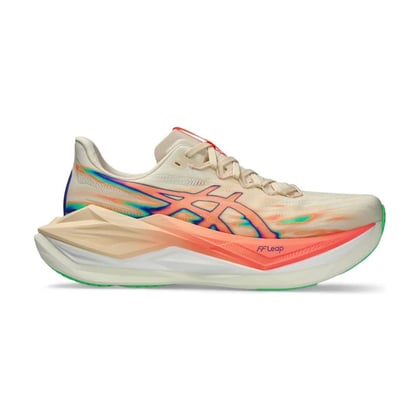


| Spec | Superblast 3 | Neo Vista 3 |
|---|---|---|
| Best price now | £183.31 | - |
| 90-day low | £133.79 | - |
| 30-day average | £194.37 | - |
| RRP | £200.00 | £150.00 |
| Category | Super Trainer | Super Trainer |
| Surface | Road | Road |
| Weight | 235g | 266g |
| Drop | 8mm | 8.5mm |
| Heel stack | 45.8mm | 43.5mm |
| Forefoot stack | 37.7mm | 35mm |
| Carbon plated | No | No |
| Stability | No | No |
| Review rating | - | - |
Expert review
Superblast 3 or Neo Vista 3: which should you buy?
Superblast 3
The Superblast 3 is the softest, bounciest Superblast yet, with a top layer of FF Leap over FF Blast Plus. On paper that means plenty of cushioning for not much weight, at 235g with no plate, and Ben Parkes says it may be the most comfortable long-run shoe they've worn.
What you give up is steadiness. Several reviewers found it wobblier on corners and as their legs tired, and one UK reviewer who preferred the firmer Superblast 2 now sends people to the Megablast instead. Most reviews still rank the Superblast 3 among the best super trainers you can buy, and one lab rated its grip the best it had tested.
We'd pick it as a marathon-training and long-run shoe for neutral runners who want a soft, lively ride. If you like a firm, planted shoe, it probably isn't for you. At £200 RRP it's one of the dearest trainers Asics makes, so check the price table before you buy.
Neo Vista 3
Mizuno trimmed the Neo Vista this year instead of making it bigger. Our spec sheet has the 3 a little lower than the Neo Vista 2 at heel and forefoot, at much the same 266g, and the RRP comes down to £150. The change reviewers noticed first is the fit: the heel now holds your foot properly, and the length complaints about the last version have gone. Underfoot it's still a big, soft max-cushion super trainer with no carbon plate, and most testers liked it more than the 2. Where they part ways is pace. Some found real spring for uptempo finishes, while one lab measured only modest energy return and called it bulky once you push. Doctors of Running graded the performance highly but marked the fit down hard, mostly for thick heel padding that bothered a tester's Achilles. We'd buy it as a long-run and recovery running shoe and leave the intervals to something lighter.
At a glance
Superblast 3 vs Neo Vista 3: how they score
Superblast 3
Lightness8.5
Cushioning9.5
Flexibility5.0
Responsive8.0
Stability6.0
Grip8.5
Neo Vista 3
Lightness5.5
Cushioning9.3
Flexibility4.0
Responsive6.5
Stability7.5
Grip7.5
Who it suits
Who the Superblast 3 and the Neo Vista 3 are for
90D Low£133.79
30D Avg£194.37
RRP£200.00
UK prices
Where to buy the Superblast 3


- 01365RiderLIVE£183.31£200.00−8%
- 02Sportsdirect2d ago£188.80£200.00−6%
- 03Start FitnessLIVE£199.90£200.00−0%
- 04CotswoldOutdoor4d ago£199.95£200.00−0%
- 05SportsShoes4d ago£199.99£200.00−0%
- 06HouseOfFraser4d ago£199.99£200.00−0%
- 07runningbath.co.ukLIVE£200.00
- 08DerbyRunnerLIVE£200.00
- 09About The RunLIVE£200.00
- 10Run North WestLIVE£200.00
- 11RunningBear3d ago£200.00
- 12AchillesHeel5d ago£200.00