//
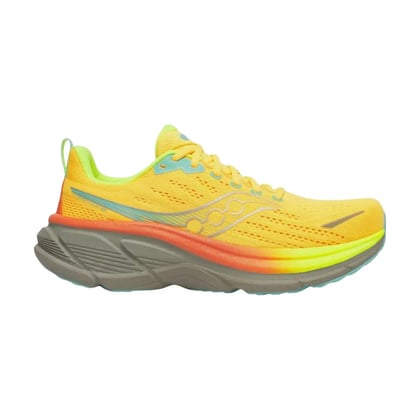
Beast GTS 24 vs Hurricane 25


Brooks Beast GTS 24
Best price today
£98.00£160.00−39%
at SportsShoes90D LOW · 23% under 30d avg

| Spec | Beast GTS 24 | Hurricane 25 |
|---|---|---|
| Best price now | £98.00 | £90.00 |
| 90-day low | £98.00 | £83.84 |
| 30-day average | £126.96 | £112.81 |
| RRP | £160.00 | £160.00 |
| Category | Stability | Stability |
| Surface | Road | Road |
| Weight | 340g | 283g |
| Drop | 12mm | 6mm |
| Heel stack | 36mm | 38mm |
| Forefoot stack | 24mm | 32mm |
| Carbon plated | No | No |
| Stability | No | No |
| Review rating | - | - |
Expert review
Beast GTS 24 or Hurricane 25: which should you buy?
Beast GTS 24
The Brooks Beast GTS 24 is the biggest, most supportive daily training shoe in the Brooks line, a max-support running shoe built for runners who want to feel held from heel to toe. Think of it as the Adrenaline's bigger, sturdier brother. With a tall 12mm drop and a hefty 340g on the foot, this is not a shoe chasing lightness or speed. It is chasing security. The GuideRails support system keeps your knees and ankles tracking straight when your form tires late in a run, and the plush, protective ride soaks up the miles for heavier runners and heavy overpronators who have never quite trusted a lighter stability shoe. We rate it as a specialist. If you want maximum structure and cushioning for steady road miles and you are not fussed about pace, few shoes hold you like the Beast. If you want any pop or a nimble feel, look elsewhere. This is comfort and control first, everything else a distant second.
Hurricane 25
Heavy and bulky it may be, but the Hurricane 25 scored higher with independent reviewers than most stability shoes we track. RunRepeat's lab review put it in its top band, and the other two reviews we read liked the ride just as much. It's Saucony's most cushioned support shoe: 38mm of stack under the heel, a 6mm drop and a wide base that keeps an inward-rolling foot in line without a hard medial post. At 283g it isn't built for intervals, and nobody we read tried to use it that way. It earns its £160 RRP on slow miles, recovery days and the back half of long runs, when your form starts to fade. Reviewers disagree on how much it moved on from the 24. Believe in the Run found it bouncier and less plodding, while a UK panel called it a mild update to a similar shoe. Neutral runners who like a big, planted shoe get on with it too.
At a glance
Beast GTS 24 vs Hurricane 25: how they score
Beast GTS 24
Lightness3.0
Cushioning8.7
Flexibility4.5
Responsive3.5
Stability9.4
Grip7.5
Hurricane 25
Lightness5.2
Cushioning9.1
Flexibility4.0
Responsive6.8
Stability8.7
Grip7.5
Who it suits
Who the Beast GTS 24 and the Hurricane 25 are for
Beast GTS 24
90D Low£98.00
30D Avg£126.96
RRP£160.00
UK prices
Where to buy the Beast GTS 24


- 01SportsShoesLIVE£98.00£160.00−39%
- 02Start FitnessLIVE£111.90£160.00−30%
- 03AlexandraSportsLIVE£140.00£160.00−13%
- 04Adapt Run Hub3d ago£160.00


