Mach X 2 vs Mach X 3
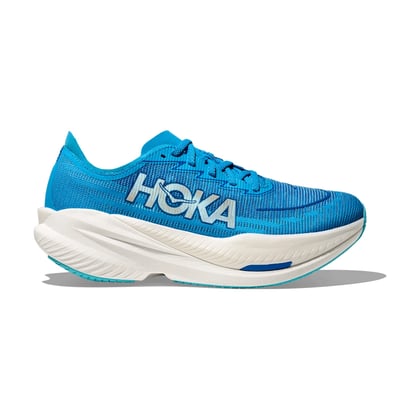

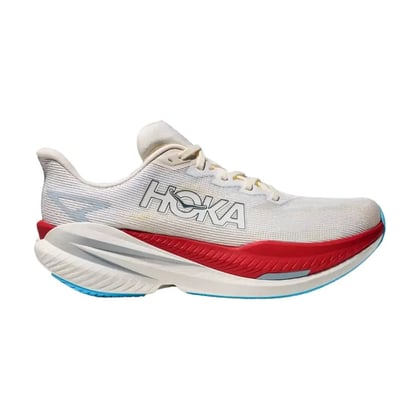
| Spec | Mach X 2 | Mach X 3 |
|---|---|---|
| Best price now | £84.99 | £85 |
| 90-day low | £83.99 | £72.95 |
| 30-day average | £112.26 | £144.08 |
| RRP | £180 | £170 |
| Category | Super Trainer | Super Trainer |
| Surface | Road | Road |
| Weight | 260g | 289g |
| Drop | 5mm | 5mm |
| Heel stack | 44mm | 44mm |
| Forefoot stack | 39mm | 39mm |
| Carbon plated | Yes | No |
| Stability | No | No |
| Review rating | - | - |
Expert review
Mach X 2 or Mach X 3: which should you buy?
Mach X 2
Heel rub is the first thing to know about the Mach X 2. Nearly every review mentions it: the heel collar is thin and unpadded, several testers got blisters in the first few runs, and another found it dug into the Achilles. Get past that and the ride is why people put up with it. It's a rockered, snappy super trainer that reviewers took from easy runs to track reps, and Believe in the Run graded its performance an A.
Doctors of Running were less convinced, finding it heavy for fast running and unstable for one of their testers. Hoka has since released the Mach X 3, which reviewers rate more highly, so the 2 makes most sense as a discounted buy. At £180 RRP it's hard to choose over its successor, but check the price table, because an older super trainer at a good discount is a different proposition.
Mach X 3
The Mach X 3 is Hoka's do-it-all super trainer, the shoe you reach for when one pair has to cover the tempo session on Tuesday and the long run at the weekend. A Pebax plate sits inside a tall 44mm heel and 39mm forefoot stack, so you get a snappy, rolling ride without the harsh, race-only feel of a full carbon racing shoe. At 289g it is not light for the category, and you notice that on genuinely fast reps. What you get in return is versatility. It has enough cushioning to protect your legs over 20 miles and enough pop to hold marathon pace when you ask for it. Think of it as a workhorse with an extra gear rather than a pure speed tool. For runners who want a single plated trainer that does most jobs well, and who do not want to spend race-shoe money doing it, we rate the Mach X 3 highly. Just go in knowing it prioritises range over outright speed.
At a glance
Mach X 2 vs Mach X 3: how they score
Mach X 2
Lightness7.5
Cushioning7.5
Flexibility4.0
Responsive8.5
Stability6.0
Mach X 3
Lightness6.5
Cushioning8.5
Flexibility6.0
Responsive8.0
Stability6.5
Grip7.0
Who it suits
Who the Mach X 2 and the Mach X 3 are for
Mach X 2
90D Low£83.99
30D Avg£112.26
RRP£180
UK prices
Where to buy the Mach X 2


- 01SportsShoesLIVE£84.99£180−53%Women's
- 02Speedhub The Triathlon StoreLIVE£89.99£180−50%Men's
- 03Metres to Miles4d ago£94£180−48%Women's
- 04HokaLIVE£101.99£180−43%Men's
- 05HokaLIVE£101.99£180−43%Women's
- 06RunAndBecomeLIVE£119£180−34%Check gender
- 07Bog Dog1d ago£135£180−25%Men's
- 08Alton SportsLIVE£170£180−6%Men's
- 09Side KicksLIVE£188Women's


