Mach X 2 vs Neo Vista 3
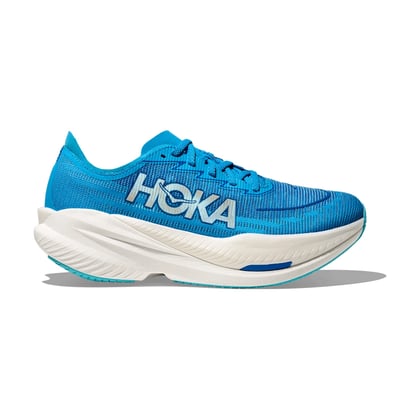


| Spec | Mach X 2 | Neo Vista 3 |
|---|---|---|
| Best price now | £83.99 | £110.24 |
| 90-day low | £83.99 | £100.21 |
| 30-day average | £104.88 | £130.05 |
| RRP | £180.00 | £150.00 |
| Category | Super Trainer | Super Trainer |
| Surface | Road | Road |
| Weight | 260g | 266g |
| Drop | 5mm | 8.5mm |
| Heel stack | 44mm | 43.5mm |
| Forefoot stack | 39mm | 35mm |
| Carbon plated | Yes | No |
| Stability | No | No |
| Review rating | - | - |
Expert review
Mach X 2 or Neo Vista 3: which should you buy?
Mach X 2
Heel rub is the first thing to know about the Mach X 2. Nearly every review mentions it: the heel collar is thin and unpadded, several testers got blisters in the first few runs, and another found it dug into the Achilles. Get past that and the ride is why people put up with it. It's a rockered, snappy super trainer that reviewers took from easy runs to track reps, and Believe in the Run graded its performance an A.
Doctors of Running were less convinced, finding it heavy for fast running and unstable for one of their testers. Hoka has since released the Mach X 3, which reviewers rate more highly, so the 2 makes most sense as a discounted buy. At £180 RRP it's hard to choose over its successor, but check the price table, because an older super trainer at a good discount is a different proposition.
Neo Vista 3
Mizuno trimmed the Neo Vista this year instead of making it bigger. Our spec sheet has the 3 a little lower than the Neo Vista 2 at heel and forefoot, at much the same 266g, and the RRP comes down to £150. The change reviewers noticed first is the fit: the heel now holds your foot properly, and the length complaints about the last version have gone. Underfoot it's still a big, soft max-cushion super trainer with no carbon plate, and most testers liked it more than the 2. Where they part ways is pace. Some found real spring for uptempo finishes, while one lab measured only modest energy return and called it bulky once you push. Doctors of Running graded the performance highly but marked the fit down hard, mostly for thick heel padding that bothered a tester's Achilles. We'd buy it as a long-run and recovery running shoe and leave the intervals to something lighter.
At a glance
Mach X 2 vs Neo Vista 3: how they score
Mach X 2
Lightness7.5
Cushioning7.5
Flexibility4.0
Responsive8.5
Stability6.0
Neo Vista 3
Lightness5.5
Cushioning9.3
Flexibility4.0
Responsive6.5
Stability7.5
Grip7.5
Who it suits
Who the Mach X 2 and the Neo Vista 3 are for
90D Low£83.99
30D Avg£104.88
RRP£180.00
UK prices
Where to buy the Mach X 2


- 01J's CyclesLIVE£83.99£180.00−53%
- 02SportsShoes1d ago£84.99£180.00−53%
- 03TaskersSportsLIVE£85.00£180.00−53%
- 04HokaLIVE£101.99£180.00−43%
- 05HokaLIVE£101.99£180.00−43%
- 06AlexandraSports2d ago£105.00£180.00−42%
- 07RunAndBecomeLIVE£119.00£180.00−34%
- 08Bog Dog2d ago£135.00£180.00−25%
- 09The Active Foot CompanyLIVE£170.00£180.00−6%


