Neo Vista 2 vs Neo Vista 3
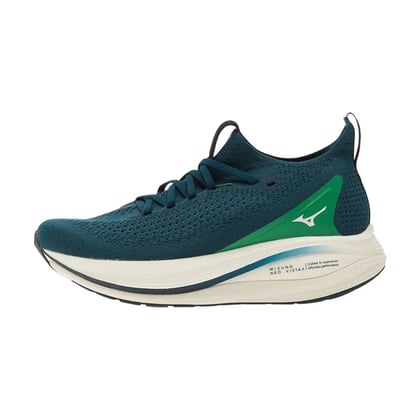


| Spec | Neo Vista 2 | Neo Vista 3 |
|---|---|---|
| Best price now | £69.99 | £90 |
| 90-day low | £67.50 | £90 |
| 30-day average | £109.97 | £127.24 |
| RRP | £155 | £150 |
| Category | Super Trainer | Super Trainer |
| Surface | Road | Road |
| Weight | 264g | 266g |
| Drop | 9mm | 8.5mm |
| Heel stack | 46mm | 43.5mm |
| Forefoot stack | 37mm | 35mm |
| Carbon plated | No | No |
| Stability | No | No |
| Review rating | - | - |
Neo Vista 2 or Neo Vista 3: which should you buy?
Neo Vista 2
The Neo Vista 2 is Mizuno's big, soft super trainer, a max-stack running shoe built to soak up mileage rather than chase a personal best. Its Enerzy NXT foam posted the highest shock absorption RUNSHOEINDEX has seen tested in 2026, and you feel that the moment you land: deep, protective, easy on tired legs. This is a shoe for the bulk of your week, the long runs and steady miles where comfort matters more than snap. It is not a racer and it does not pretend to be. At 264g it carries some weight, and without a firm plate it stays smooth and cushioned instead of aggressive. If you liked the plush, rolling feel of the first Neo Vista, version 2 keeps the recipe and dials up the softness. In a category led by the Asics Superblast 3, the Neo Vista 2 makes its case on pure cushioning.
Neo Vista 3
Mizuno trimmed the Neo Vista this year instead of making it bigger. Our spec sheet has the 3 a little lower than the Neo Vista 2 at heel and forefoot, at much the same 266g, and the RRP comes down to £150. The change reviewers noticed first is the fit: the heel now holds your foot properly, and the length complaints about the last version have gone. Underfoot it's still a big, soft max-cushion super trainer with no carbon plate, and most testers liked it more than the 2. Where they part ways is pace. Some found real spring for uptempo finishes, while one lab measured only modest energy return and called it bulky once you push. Doctors of Running graded the performance highly but marked the fit down hard, mostly for thick heel padding that bothered a tester's Achilles. We'd buy it as a long-run and recovery running shoe and leave the intervals to something lighter.
Neo Vista 2 vs Neo Vista 3: how they score
Neo Vista 2
Lightness5.5
Cushioning9.7
Flexibility6.0
Responsive6.5
Stability6.0
Grip7.5
Neo Vista 3
Lightness5.5
Cushioning9.3
Flexibility4.0
Responsive6.5
Stability7.5
Grip7.5
Who the Neo Vista 2 and the Neo Vista 3 are for
Neo Vista 2
90D Low£67.50
30D Avg£109.97
RRP£155
Where to buy the Neo Vista 2


- 01Up and Running1d ago£69.99£155−55%Men's
- 02DerbyRunner1d ago£69.99£155−55%Men's
- 03RunningXpert1d ago£69.99£155−55%Women's
- 04RunningXpert2d ago£69.99£155−55%Men's
- 05Start Fitness3d ago£71.10£155−54%Check gender
- 06Start FitnessLIVE£79£155−49%Men's
- 07Start Fitness6d ago£79£155−49%Women's
- 08SportsShoesLIVE£79.99£155−48%Women's
- 09365RiderLIVE£80.17£155−48%Women's
- 10Amazon1d ago£83.95£155−46%Men's
- 11365RiderLIVE£84.94£155−45%Men's
- 12Soletrader3d ago£89£155−43%Women's
- 13Run4It1d ago£89.40£155−42%Men's
- 14Run4It6d ago£89.40£155−42%Women's
- 15Benson-ShopLIVE£89.95£155−42%Men's
- 16runningbath.co.uk1d ago£90£155−42%Men's
- 17BrandAlley UK3d ago£90£155−42%Check gender
- 18runningbath.co.uk6d ago£90£155−42%Women's
- 19Running Form6d ago£90£155−42%Women's
- 20365RiderLIVE£90.68£155−41%Unisex
- 21DirectRunningLIVE£99.85£155−36%Check gender
- 22Mizuno4d ago£105£155−32%Men's
- 23Mizuno6d ago£105£155−32%Women's
- 24Hardloop3d ago£115.10£155−26%Women's
- 25Sutton Runner3d ago£120£155−23%Men's
- 26The Jog ShopLIVE£130£155−16%Men's
- 27Run ActiveLIVE£150£155−3%Women's
- 28Direct RunningLIVE£152.30£155−2%Women's
Live = checked in the last 24 hours. Older prices show when we last saw them.


