Peregrine 14 vs Peregrine 16


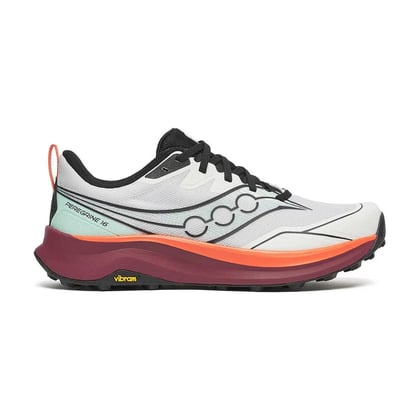
| Spec | Peregrine 14 | Peregrine 16 |
|---|---|---|
| Best price now | £79.99 | £75 |
| 90-day low | £55 | £67 |
| 30-day average | £106.64 | £118.64 |
| RRP | £120 | £140 |
| Category | Trail | Trail |
| Surface | Trail | Trail |
| Weight | 283g | 269g |
| Drop | 4mm | 4mm |
| Heel stack | 28mm | 32mm |
| Forefoot stack | 24mm | 28mm |
| Carbon plated | No | No |
| Stability | No | No |
| Review rating | 5.0 (1) | - |
Peregrine 14 or Peregrine 16: which should you buy?
Peregrine 14
Saucony has since moved on to the Peregrine 16, but the 14 is still an easy trail running shoe to recommend if you can find your size. It's low, flexible and grippy, with a rock plate and deep lugs, the kind of shoe you can take down a muddy bridleway on Saturday and up a rocky path on Sunday. Reviewers liked it. RunRepeat rated it highly for value and versatility, and most testers rated the grip well above average. Not everyone agrees on the wet stuff, though: iRunFar found it only adequate in mud and slippery on wet wooden bridges. The bigger catch is a firmish, fairly thin ride that gets tiring on long days. Think of it as a daily trail shoe rather than an ultra shoe. Fewer UK retailers carry it now that it's been replaced, so check sizes before you get attached.
Peregrine 16
The Peregrine 16 is Saucony's do-everything trail running shoe, and the version most people should start with if they want one pair for the trails. It is an aggressive all-rounder built for grip first: a full Vibram Megagrip outsole with deep lugs that bites into wet rock, mud and loose gravel with real confidence. With a 4mm drop and a moderate 32mm heel stack it sits between a nimble racer and a plush max-cushion trail shoe, so it stays quick and connected to the ground without beating up your legs on longer efforts. Saucony has made this one softer and grippier than the Peregrine 15, which nudges it toward comfort over a wider range of distances. In our view it is the natural rival to the Hoka Speedgoat and Brooks Cascadia at this price. If you run mixed, muddy UK trails and want a dependable shoe that handles almost anything, this is an easy shoe to recommend.
Peregrine 14 vs Peregrine 16: how they score
Peregrine 14
Lightness7.0
Cushioning5.5
Flexibility8.5
Responsive6.0
Stability7.5
Grip8.0
Peregrine 16
Lightness7.5
Cushioning7.0
Flexibility7.5
Responsive7.5
Stability7.5
Grip9.5
Who the Peregrine 14 and the Peregrine 16 are for
Peregrine 14
Who should buy it
90D Low£55
30D Avg£106.64
RRP£120
Where to buy the Peregrine 14


- 01Sutton RunnerLIVE£79.99£120−33%Men's
- 02LovellLIVE£81.50£120−32%Women's
- 03LovellLIVE£81.50£120−32%Men's
- 04Sutton Runner1d ago£99.99£120−17%Women's
- 05SOLELIVE£115£120−4%Men's
- 06Direct RunningLIVE£131.15Women's
Live = checked in the last 24 hours. Older prices show when we last saw them.


