//
Adizero Boston 12 vs FuelCell Rebel 5


Adidas Adizero Boston 12
Best price today
£70.00£160.00−56%
at AchillesHeel · 23% under 30d avg
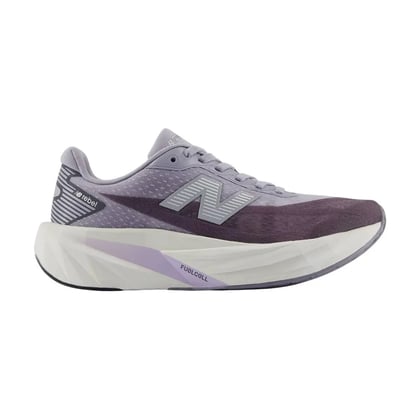

New Balance FuelCell Rebel 5
Best price today
£76.50£140.00−45%
at Snowleader.co.uk · 33% under 30d avg
| Spec | Adizero Boston 12 | FuelCell Rebel 5 |
|---|---|---|
| Best price now | £70.00 | £76.50 |
| 90-day low | £69.99 | £58.00 |
| 30-day average | £90.78 | £114.40 |
| RRP | £160.00 | £140.00 |
| Category | Tempo | Tempo |
| Surface | Road | Road |
| Weight | 267g | 220g |
| Drop | 7mm | 6.3mm |
| Heel stack | 37mm | 33mm |
| Forefoot stack | 30mm | 26.7mm |
| Carbon plated | No | No |
| Stability | No | No |
| Review rating | 4.0 (1) | - |
Expert review
Adizero Boston 12 or FuelCell Rebel 5: which should you buy?
Adizero Boston 12
The Boston 12 is where adidas fixed the Boston. Versions 10 and 11 had a reputation for a hard, brick-like midsole, and reviewers mostly agreed this one rides softer and livelier while keeping the snap that makes it a tempo running shoe. On paper it's 267g with a 7mm drop and fibreglass rods rather than a carbon plate, so think of it as a training partner for faster sessions and marathon-block long runs, though one reviewer reckoned it could double as a budget racer. Women's Running UK gave it four stars, and Runnea's reviewer picked out how stable it stays on long runs. Where it falls down is fit: a thin tongue, laces that slip and a soft heel counter that heel strikers may not trust. Adidas has since released the Boston 13, which keeps a similar ride and pads the heel and tongue. So the 12 makes most sense when it's clearly the cheaper of the two.
FuelCell Rebel 5
The FuelCell Rebel 5 is New Balance at its most likeable: a lightweight, plateless running shoe that wants to do almost everything in your week. At 220g it is genuinely light for the stack you get, and the FuelCell midsole gives you a soft, springy pop that flatters easy miles and comes alive when you lift the pace. There is no carbon plate here, so this is not a marathon racer. Think of it as the fun, do-it-all uptempo trainer that handles easy days, strides, tempo efforts and even a parkrun without complaint. If you loved the FuelCell Rebel 4, the 5 keeps that playful character and refines the fit. For runners who want one versatile daily training shoe with a bit of race-day spirit, we rate it highly at the price.
At a glance
Adizero Boston 12 vs FuelCell Rebel 5: how they score
Adizero Boston 12
Lightness6.5
Cushioning6.0
Flexibility3.5
Responsive8.5
Stability6.5
Grip8.5
FuelCell Rebel 5
Lightness9.0
Cushioning7.8
Flexibility8.2
Responsive7.9
Stability6.3
Grip7.5
Who it suits
Who the Adizero Boston 12 and the FuelCell Rebel 5 are for
Adizero Boston 12
90D Low£69.99
30D Avg£90.78
RRP£160.00
UK prices
Where to buy the Adizero Boston 12


- 01AchillesHeel3d ago£70.00£160.00−56%
- 02Run4It3d ago£77.00£160.00−52%
- 03Running FormLIVE£80.00£160.00−50%
- 04FitstuffLIVE£85.00£160.00−47%
- 05Direct RunningLIVE£89.08£160.00−44%
- 06AdidasLIVE£91.00£160.00−43%
- 07DirectRunning1d ago£91.95£160.00−43%
- 08DirectSports1d ago£91.95£160.00−43%
- 09Start FitnessLIVE£98.00£160.00−39%
- 10Start Fitness5d ago£98.00£160.00−39%
- 11Run ActiveLIVE£140.00£160.00−13%
- 12DerbyRunnerLIVE£140.00£160.00−13%
- 13DerbyRunner1d ago£140.00£160.00−13%


