//
Adizero Boston 13 vs Adizero EVO SL 1
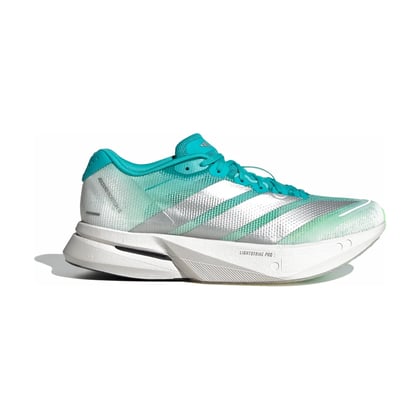

Adidas Adizero Boston 13
Best price today
£81.00£140.00−42%
at RunningXpert · 27% under 30d avg
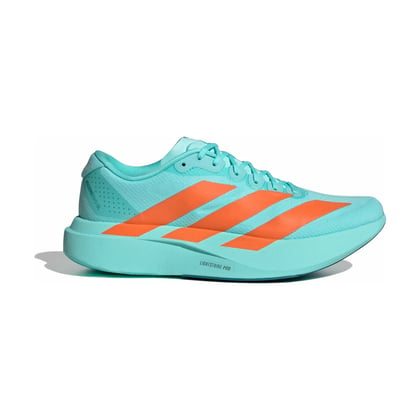
Adidas Adizero EVO SL 1
Best price today
£79.33£150.00−47%
at DirectRunning · 34% under 30d avg
| Spec | Adizero Boston 13 | Adizero EVO SL 1 |
|---|---|---|
| Best price now | £81.00 | £79.33 |
| 90-day low | £63.00 | £77.01 |
| 30-day average | £110.74 | £119.93 |
| RRP | £140.00 | £150.00 |
| Category | Tempo | Tempo |
| Surface | Road | Road |
| Weight | 254g | 224g |
| Drop | 6mm | 6mm |
| Heel stack | 34.3mm | 39mm |
| Forefoot stack | 28.3mm | 33mm |
| Carbon plated | No | No |
| Stability | No | No |
| Review rating | - | 5.0 (1) |
Expert review
Adizero Boston 13 or Adizero EVO SL 1: which should you buy?
Adizero Boston 13
Adidas left the Boston 13's ride close to version 12 and put most of the update into comfort, with a padded heel and tongue and a new mesh upper. There's also more Lightstrike Pro sitting above the stiff carbon-infused rods. It's still a firm tempo shoe that's happiest once the pace picks up, and at £140 it's a cheaper way into rod-assisted speed than a proper carbon racing shoe. Its biggest rival is another adidas. Ben Parkes and Fordy Runs both liked the Boston 13, and both reckoned most runners would have more fun in the lighter, softer Adizero Evo SL. The Boston's argument is durability and a steadier platform, so we'd point it at runners who want one hard-wearing pair for workouts and marathon-block long runs. If you already own a Boston 12 you get on with, the changes are small.
Adizero EVO SL 1
Few running shoes of the last couple of years got talked about as much as the EVO SL, and the reason is simple. adidas took the Lightstrike Pro foam from its race shoes, left out the carbon rods, and sold it at a daily-trainer price. At 224g with a 39mm heel, it's a light, bouncy tempo shoe that reviewers keep calling a bargain.
It shines when you pick up the pace. Tempo runs, intervals and goal-pace work are its home, and plenty of runners race half marathons in it. It's less happy at a slow shuffle, and it isn't a stable shoe, so it won't suit everyone as a do-everything trainer.
If you want a plate for race day, the Adios Pro 5 is the step up. As an unplated speed trainer, though, this is the one others in the category get measured against, and the few flaws people mention (laces, tongue, some early outsole wear) are small ones.
At a glance
Adizero Boston 13 vs Adizero EVO SL 1: how they score
Adizero Boston 13
Lightness6.5
Cushioning6.0
Flexibility3.5
Responsive8.0
Stability7.0
Adizero EVO SL 1
Lightness9.0
Cushioning7.5
Flexibility6.5
Responsive8.5
Stability5.0
Grip7.5
Who it suits
Who the Adizero Boston 13 and the Adizero EVO SL 1 are for
90D Low£63.00
30D Avg£110.74
RRP£140.00
UK prices
Where to buy the Adizero Boston 13


- 01RunningXpert1d ago£81.00£140.00−42%
- 02Direct RunningLIVE£82.23£140.00−41%
- 03Run4It4d ago£83.18£140.00−41%
- 04Run ActiveLIVE£84.00£140.00−40%
- 05Run ActiveLIVE£84.00£140.00−40%
- 06Next2d ago£85.00£140.00−39%
- 07Direct RunningLIVE£89.08£140.00−36%
- 08365RiderLIVE£90.67£140.00−35%
- 09AdidasLIVE£91.00£140.00−35%
- 10365RiderLIVE£96.41£140.00−31%
- 11DirectSports4d ago£96.97£140.00−31%
- 12DirectRunning4d ago£96.97£140.00−31%
- 13DecathlonLIVE£99.99£140.00−29%
- 14DecathlonLIVE£99.99£140.00−29%
- 15Amazon1d ago£102.30£140.00−27%
- 16Littlewoods4d ago£104.99£140.00−25%
- 17Start Fitness4d ago£118.92£140.00−15%
- 18JD SportsLIVE£140.00
- 19ASOSLIVE£140.00
- 20VeryLIVE£140.00


