Adizero Boston 13 vs Magic Speed 5
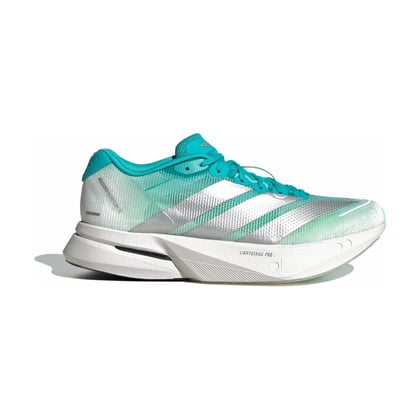

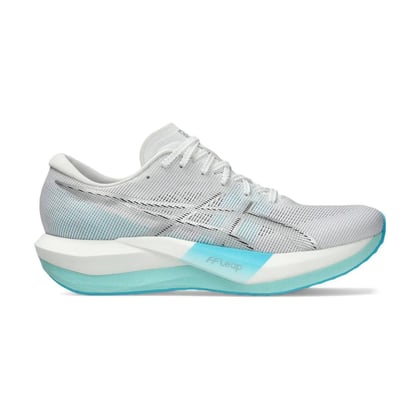

| Spec | Adizero Boston 13 | Magic Speed 5 |
|---|---|---|
| Best price now | £70 | £99 |
| 90-day low | £63 | £85 |
| 30-day average | £115.37 | £133.29 |
| RRP | £140 | £170 |
| Category | Tempo | Tempo |
| Surface | Road | Road |
| Weight | 254g | 193g |
| Drop | 6mm | 7mm |
| Heel stack | 34.3mm | 37mm |
| Forefoot stack | 28.3mm | 30mm |
| Carbon plated | No | Yes |
| Stability | No | No |
| Review rating | - | - |
Expert review
Adizero Boston 13 or Magic Speed 5: which should you buy?
Adizero Boston 13
Adidas left the Boston 13's ride close to version 12 and put most of the update into comfort, with a padded heel and tongue and a new mesh upper. There's also more Lightstrike Pro sitting above the stiff carbon-infused rods. It's still a firm tempo shoe that's happiest once the pace picks up, and at £140 it's a cheaper way into rod-assisted speed than a proper carbon racing shoe. Its biggest rival is another adidas. Ben Parkes and Fordy Runs both liked the Boston 13, and both reckoned most runners would have more fun in the lighter, softer Adizero Evo SL. The Boston's argument is durability and a steadier platform, so we'd point it at runners who want one hard-wearing pair for workouts and marathon-block long runs. If you already own a Boston 12 you get on with, the changes are small.
Magic Speed 5
The Magic Speed 5 is Asics doing the sensible thing: a carbon-plated running shoe that hands you race-day pop without asking for full super-shoe money. It sits a rung below the Metaspeed Sky racers, so think of it as a carbon tempo shoe and part-time marathon shoe rather than an out-and-out record chaser. At 193g with a 37mm heel and a 7mm drop, it is light and low-slung enough to feel fast, and the FF Turbo foam gives it genuine bounce when you lean into a session. What makes it worth a look is versatility. It will pace a threshold workout on Tuesday, then carry you through a half or a first marathon on Sunday without feeling like overkill. It is not the softest or the most aggressive shoe in its class, but as a one-shoe answer for a runner who wants some carbon assistance across a range of paces, we rate it highly.
At a glance
Adizero Boston 13 vs Magic Speed 5: how they score
Adizero Boston 13
Lightness6.5
Cushioning6.0
Flexibility3.5
Responsive8.0
Stability7.0
Magic Speed 5
Lightness8.5
Cushioning7.0
Flexibility5.5
Responsive8.5
Stability6.5
Grip7.5
Who it suits
Who the Adizero Boston 13 and the Magic Speed 5 are for
90D Low£63
30D Avg£115.37
RRP£140
UK prices
Where to buy the Adizero Boston 13


- 01SportsdirectLIVE£70£140−50%Women's
- 02DonaghysLIVE£70£140−50%Women's
- 03Profeet6d ago£71.74£140−49%Men's
- 04Run ActiveLIVE£84£140−40%Women's
- 05Run ActiveLIVE£84£140−40%Men's
- 06NextLIVE£85£140−39%Women's
- 07SportsdirectLIVE£88.20£140−37%Men's
- 08365RiderLIVE£89.30£140−36%Women's
- 09AdidasLIVE£91£140−35%Check gender
- 10DirectSports4d ago£93.15£140−33%Women's
- 11RunningXpert6d ago£95£140−32%Men's
- 12365RiderLIVE£96.94£140−31%Men's
- 13DerbyRunner6d ago£97£140−31%Men's
- 14HouseOfFraser6d ago£98£140−30%Men's
- 15Run North WestLIVE£99.99£140−29%Women's
- 16Snowleader.co.uk2d ago£111.50£140−20%Men's
- 17Alpine Trek2d ago£116.41£140−17%Men's
- 18Start FitnessLIVE£118.92£140−15%Men's
- 19SportsShoes2d ago£125.99£140−10%Men's
- 20SOLE2d ago£128.40£140−8%Men's
- 21Direct RunningLIVE£135.38£140−3%Women's
- 22DirectRunningLIVE£135.38£140−3%Women's
- 23DirectRunning2d ago£135.38£140−3%Men's
- 24DecathlonLIVE£139.99Women's
- 25DecathlonLIVE£139.99Men's
- 26ASOSLIVE£140Men's
- 27Next2d ago£140Men's
- 28Sigma Sports2d ago£140Men's
- 29Sigma Sports2d ago£140Women's


