//
Adizero Boston 13 vs Noosa Tri 16
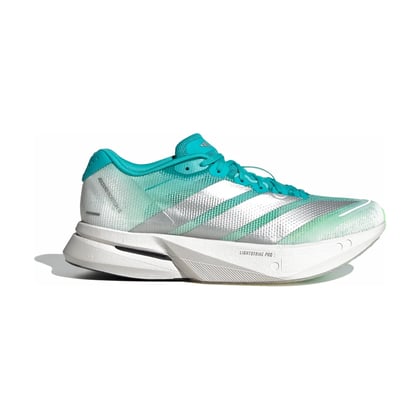

Adidas Adizero Boston 13
Best price today
£70.00£140.00−50%
at Sportsdirect · 37% under 30d avg
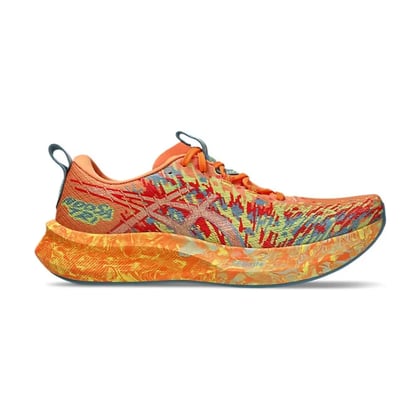

| Spec | Adizero Boston 13 | Noosa Tri 16 |
|---|---|---|
| Best price now | £70.00 | £80.99 |
| 90-day low | £63.00 | £72.37 |
| 30-day average | £110.97 | £98.30 |
| RRP | £140.00 | £140.00 |
| Category | Tempo | Tempo |
| Surface | Road | Road |
| Weight | 254g | 215g |
| Drop | 6mm | 5mm |
| Heel stack | 34.3mm | 34.5mm |
| Forefoot stack | 28.3mm | 29.5mm |
| Carbon plated | No | No |
| Stability | No | No |
| Review rating | - | - |
Expert review
Adizero Boston 13 or Noosa Tri 16: which should you buy?
Adizero Boston 13
Adidas left the Boston 13's ride close to version 12 and put most of the update into comfort, with a padded heel and tongue and a new mesh upper. There's also more Lightstrike Pro sitting above the stiff carbon-infused rods. It's still a firm tempo shoe that's happiest once the pace picks up, and at £140 it's a cheaper way into rod-assisted speed than a proper carbon racing shoe. Its biggest rival is another adidas. Ben Parkes and Fordy Runs both liked the Boston 13, and both reckoned most runners would have more fun in the lighter, softer Adizero Evo SL. The Boston's argument is durability and a steadier platform, so we'd point it at runners who want one hard-wearing pair for workouts and marathon-block long runs. If you already own a Boston 12 you get on with, the changes are small.
Noosa Tri 16
The Noosa Tri 16 is Asics at its most playful: a light, lively tempo running shoe with triathlon roots and a deliberately loud look. At 215g with a low 5mm drop, it sits in that sweet spot between a daily trainer and a racer, the kind of shoe you reach for when an easy run turns into a fartlek and you want your feet to feel quick. There is no carbon plate here, so do not expect supershoe propulsion. What you get instead is honest, connected speed: a firm, responsive ride that rewards a forefoot or midfoot strike and turns over fast. The tri heritage shows in details built for racking transitions and shrugging off water, which also make it a genuinely fun stripped-back trainer. We rate it as a speed-day shoe for runners who already have a cushioned daily trainer and want something snappier for tempo work, strides and shorter races. It is not a do-it-all shoe, and it is not trying to be.
At a glance
Adizero Boston 13 vs Noosa Tri 16: how they score
Adizero Boston 13
Lightness6.5
Cushioning6.0
Flexibility3.5
Responsive8.0
Stability7.0
Noosa Tri 16
Lightness8.5
Cushioning6.0
Flexibility7.5
Responsive7.5
Stability5.5
Grip7.5
Who it suits
Who the Adizero Boston 13 and the Noosa Tri 16 are for
90D Low£63.00
30D Avg£110.97
RRP£140.00
UK prices
Where to buy the Adizero Boston 13


- 01Sportsdirect5d ago£70.00£140.00−50%
- 02Very1d ago£71.40£140.00−49%
- 03Direct RunningLIVE£82.23£140.00−41%
- 04Run4It1d ago£83.18£140.00−41%
- 05Run ActiveLIVE£84.00£140.00−40%
- 06Run ActiveLIVE£84.00£140.00−40%
- 07Adapt Run Hub6d ago£85.00£140.00−39%
- 08Adapt Outdoors6d ago£88.00£140.00−37%
- 09365RiderLIVE£90.67£140.00−35%
- 10365RiderLIVE£96.41£140.00−31%
- 11DirectSports1d ago£96.97£140.00−31%
- 12DirectRunning1d ago£96.97£140.00−31%
- 13ASOS1d ago£98.00£140.00−30%
- 14DecathlonLIVE£99.99£140.00−29%
- 15DecathlonLIVE£99.99£140.00−29%
- 16Littlewoods1d ago£104.99£140.00−25%
- 17AdidasLIVE£105.00£140.00−25%
- 18Start Fitness1d ago£118.92£140.00−15%
- 19JD Sports5d ago£140.00
- 20ASOS5d ago£140.00
- 21Very5d ago£140.00
- 22Littlewoods5d ago£144.00


