//
Adizero EVO SL 1 vs Pegasus Premium 1
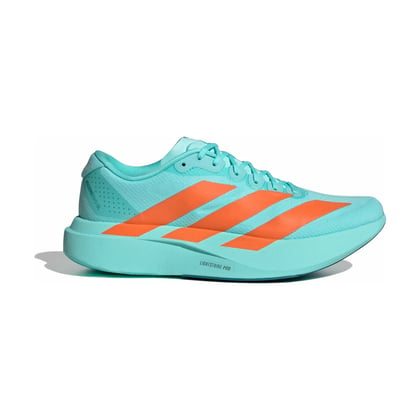

Adidas Adizero EVO SL 1
Best price today
£77.08£150.00−49%
at Direct Running · 36% under 30d avg
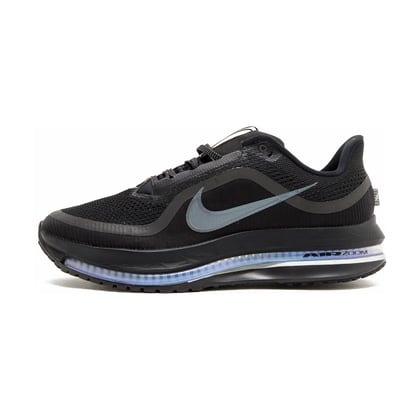

| Spec | Adizero EVO SL 1 | Pegasus Premium 1 |
|---|---|---|
| Best price now | £77.08 | £104.52 |
| 90-day low | £77.01 | £94.99 |
| 30-day average | £120.87 | £167.59 |
| RRP | £150.00 | £190.00 |
| Category | Tempo | Super Trainer |
| Surface | Road | Road |
| Weight | 224g | 308g |
| Drop | 6mm | 10mm |
| Heel stack | 39mm | 45mm |
| Forefoot stack | 33mm | 35mm |
| Carbon plated | No | No |
| Stability | No | No |
| Review rating | 5.0 (1) | - |
Expert review
Adizero EVO SL 1 or Pegasus Premium 1: which should you buy?
Adizero EVO SL 1
Few running shoes of the last couple of years got talked about as much as the EVO SL, and the reason is simple. adidas took the Lightstrike Pro foam from its race shoes, left out the carbon rods, and sold it at a daily-trainer price. At 224g with a 39mm heel, it's a light, bouncy tempo shoe that reviewers keep calling a bargain.
It shines when you pick up the pace. Tempo runs, intervals and goal-pace work are its home, and plenty of runners race half marathons in it. It's less happy at a slow shuffle, and it isn't a stable shoe, so it won't suit everyone as a do-everything trainer.
If you want a plate for race day, the Adios Pro 5 is the step up. As an unplated speed trainer, though, this is the one others in the category get measured against, and the few flaws people mention (laces, tongue, some early outsole wear) are small ones.
Pegasus Premium 1
Nike built the Pegasus Premium around bounce, and on that one point reviewers agree it delivers. The full-length Air Zoom unit in its triple-layer midsole gives a springy, trampoline-like ride that most testers enjoyed. The trouble is everything around it. At 308g it's heavy for a super trainer, the fit is narrow, and several reviewers found the tall platform unstable. RunRepeat rated it great and another tester would tell you to try it, but Doctors of Running were far harsher, and one of their testers couldn't run in it at all because the tapered toe box pressed on the big toe.
At £190 RRP that is a lot of compromise. We see it as a fun shoe for easy and steady runs if you're a neutral runner with narrow to medium feet, not a versatile super trainer. If you want Nike bounce in a lighter package, the Zoom Fly 6 is easier to live with, and the Vomero 18 makes more sense for plain easy mileage.
At a glance
Adizero EVO SL 1 vs Pegasus Premium 1: how they score
Adizero EVO SL 1
Lightness9.0
Cushioning7.5
Flexibility6.5
Responsive8.5
Stability5.0
Grip7.5
Pegasus Premium 1
Lightness4.0
Cushioning8.5
Flexibility4.5
Responsive7.5
Stability4.5
Who it suits
90D Low£77.01
30D Avg£120.87
RRP£150.00
UK prices
Where to buy the Adizero EVO SL 1


- 01Direct RunningLIVE£77.08£150.00−49%
- 02Sportsdirect2d ago£90.02£150.00−40%
- 03Run ActiveLIVE£91.00£150.00−39%
- 04Run Active3d ago£91.00£150.00−39%
- 05DecathlonLIVE£99.99£150.00−33%
- 06365RiderLIVE£105.00£150.00−30%
- 07HouseOfFraserLIVE£109.99£150.00−27%
- 08SportsdirectLIVE£109.99£150.00−27%
- 09Run North WestLIVE£110.50£150.00−26%
- 10Fitstuff4d ago£110.50£150.00−26%
- 11ASOSLIVE£119.99£150.00−20%
- 12365RiderLIVE£122.19£150.00−19%
- 13DecathlonLIVE£129.99£150.00−13%
- 14SportsShoesLIVE£129.99£150.00−13%
- 15AdidasLIVE£130.00£150.00−13%
- 16VeryLIVE£130.00£150.00−13%
- 17Sigma Sports1d ago£130.00£150.00−13%
- 18Sporting Feet3d ago£130.00£150.00−13%
- 19JD Sports3d ago£130.00£150.00−13%


