Supernova Rise 3 vs Novablast 6
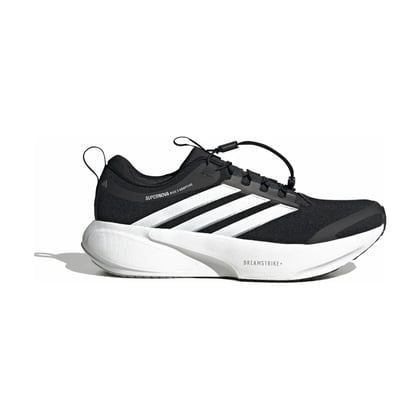

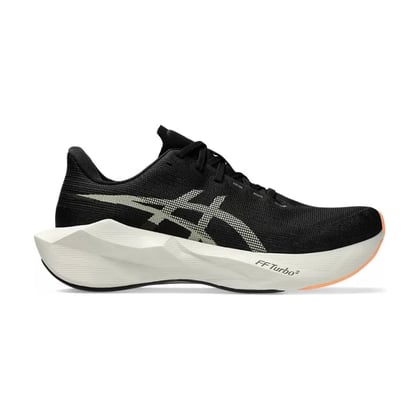

| Spec | Supernova Rise 3 | Novablast 6 |
|---|---|---|
| Best price now | £65 | £85 |
| 90-day low | £59.99 | £85 |
| 30-day average | £116.44 | £123.82 |
| RRP | £130 | £140 |
| Category | Daily | Daily |
| Surface | Road | Road |
| Weight | 264g | 249g |
| Drop | 7.8mm | 8mm |
| Heel stack | 35mm | 41.5mm |
| Forefoot stack | 27.2mm | 33.5mm |
| Carbon plated | No | No |
| Stability | No | No |
| Review rating | - | - |
Supernova Rise 3 or Novablast 6: which should you buy?
Supernova Rise 3
The Supernova Rise 3 is adidas doing the sensible thing well: a cushioned, neutral daily training shoe built to soak up easy miles rather than chase a time. It sits squarely in the do-everything daily-trainer bracket, with a 35mm heel and a 7.8mm drop giving you a protective, slightly rockered ride that suits steady runs and building a base. At 264g it is not the lightest daily shoe out there, and you feel that weight when you try to pick up the pace. That is the honest trade-off here. This is a comfort-first running shoe, not a tempo tool. If you loved the Supernova Rise 2, this is a familiar, refined step on. In our view it earns its keep as the shoe you reach for most mornings, and at a £130 RRP it is priced to be exactly that.
Novablast 6
The big change for version 6 is a small pod of FF Turbo Squared foam under the forefoot, set into an FF Blast Max midsole. It gives the Novablast a quicker toe-off, and most reviewers think it's the better shoe for it. Ben Parkes rates it the best Novablast so far. Fordy Runs likes the changes too, but wonders whether the series has swapped the fun of the early versions for something dependable and a little safe. One reviewer liked it much less, finding the heel dull and the transition slappy.
This is a daily training shoe for easy miles and long runs, and it can still pick up the pace for strides or a steady tempo. Both UK reviewers share one worry: the Novablast 5 lost its bounce over time for plenty of runners, and most of this midsole is the same foam. At £140 RRP it costs £5 more than the version it replaces, and the older shoe is worth a look while stock lasts.
Supernova Rise 3 vs Novablast 6: how they score
Supernova Rise 3
Lightness6.0
Cushioning8.5
Flexibility6.5
Responsive5.5
Stability7.0
Grip7.5
Novablast 6
Lightness7.8
Cushioning8.3
Responsive8.5
Stability7.0
Grip8.8
Who the Supernova Rise 3 and the Novablast 6 are for
Supernova Rise 3
Who should buy it
- Runners wanting one comfortable shoe for the bulk of their easy weekly miles
90D Low£59.99
30D Avg£116.44
RRP£130
Where to buy the Supernova Rise 3


- 01AdidasLIVE£65£130−50%Check gender
- 02Profeet2d ago£66.61£130−49%Women's
- 03Run4It2d ago£78.19£130−40%Women's
- 04RunningBearLIVE£82£130−37%Women's
- 05365RiderLIVE£82.08£130−37%Men's
- 06DirectRunning2d ago£82.46£130−37%Check gender
- 07DirectRunningLIVE£90.04£130−31%Women's
- 08DirectSports2d ago£90.04£130−31%Women's
- 09365RiderLIVE£90.68£130−30%Women's
- 10ASOSLIVE£91£130−30%Men's
- 11SportsdirectLIVE£92£130−29%Women's
- 12SportsdirectLIVE£92£130−29%Men's
- 13Direct RunningLIVE£95.55£130−27%Women's
- 14SOLE4d ago£96.60£130−26%Men's
- 15Secret Sales2d ago£97.40£130−25%Men's
- 16VeryLIVE£97.50£130−25%Men's
- 17Parasol StoreLIVE£104£130−20%Men's
- 18DecathlonLIVE£129.99Women's
- 19SportsShoesLIVE£129.99Men's
- 20Run ActiveLIVE£130Women's
- 21Bog DogLIVE£130Men's
- 22Run Active2d ago£130Men's
- 23Next4d ago£130Men's
- 24Coes5d ago£130Check gender
- 25Parasol Store5d ago£130Women's
- 26Side Kicks4d ago£150Check gender
- 27Side Kicks4d ago£158Women's
- 28Littlewoods1d ago£169Men's
Live = checked in the last 24 hours. Older prices show when we last saw them.


