//
Glideride Max 2 vs Aero Glide 4
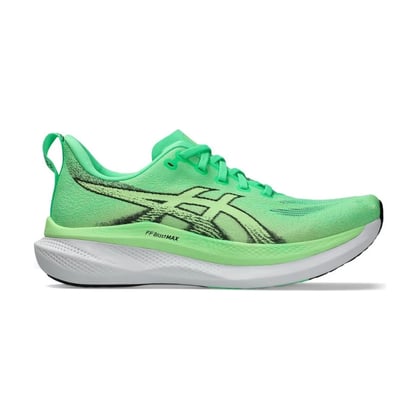

Asics Glideride Max 2
Best price today
£95.00£160.00−41%
at Out And Back90D LOW · 30% under 30d avg

| Spec | Glideride Max 2 | Aero Glide 4 |
|---|---|---|
| Best price now | £95.00 | £86.00 |
| 90-day low | £95.00 | £86.00 |
| 30-day average | £135.14 | £140.26 |
| RRP | £160.00 | £145.00 |
| Category | Max Cushion | Max Cushion |
| Surface | Road | Road |
| Weight | 261g | 250g |
| Drop | 6mm | 11.7mm |
| Heel stack | 46mm | 43.2mm |
| Forefoot stack | 40mm | 31.5mm |
| Carbon plated | No | No |
| Stability | No | No |
| Review rating | — | — |
Expert review
Glideride Max 2 or Aero Glide 4: which should you buy?
Glideride Max 2
The Glideride Max 2 is Asics at its most protective: a max-cushion road running shoe with a big 46mm heel and an aggressive rocker built to roll you through easy miles when your legs have nothing left to give. At 261g it is not light for the class, and it never pretends to be a speed tool. What it does is soak up impact and keep you moving with minimal effort, which is exactly what you want on a recovery day or the back half of a long run. The 6mm drop and tall stack put you high off the ground, so the ride feels smooth and floaty rather than snappy. At £225 it sits at the premium end of the daily-trainer market, and you are paying for maximum protection over versatility. We rate it as a specialist. If you run high mileage and want one shoe to guard your joints, this earns its place. If you want a do-everything trainer, look lower down the range or at the Superblast 3.
Aero Glide 4
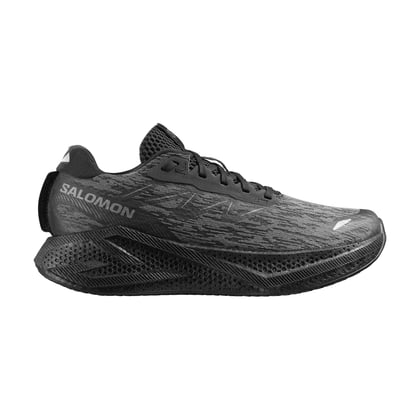
The Salomon Aero Glide 4 is the brand's big-cushion road running shoe, built for soaking up easy miles and long runs without asking your legs for anything back. With a tall 43.2mm heel stack and no carbon plate, this is a comfort-first daily training shoe rather than a racer. What sets it apart from most max-cushion rivals is the tall 11.7mm drop, which rolls you forward off a generous heel and suits runners who land heel-first. It is not the lightest shoe in the class at 250g, and it is not trying to be snappy. What you get instead is a soft, planted, protective ride that stays comfortable when the miles pile up. If you loved the Aero Glide 3, this is a familiar, refined take on the same idea. We rate it as a dependable cushioned trainer for steady runners who value comfort over pace.
At a glance
Glideride Max 2 vs Aero Glide 4: how they score
Glideride Max 2
Lightness5.5
Cushioning9.5
Flexibility5.0
Responsive5.5
Stability7.0
Grip7.5
Aero Glide 4
Lightness6.0
Cushioning9.0
Flexibility7.0
Responsive5.5
Stability6.5
Grip7.0
Who it suits
Who the Glideride Max 2 and the Aero Glide 4 are for
90D Low£95.00
30D Avg£135.14
RRP£160.00
UK prices
Where to buy the Glideride Max 2


- 01Out And BackLIVE£95.00£160.00−41%
- 02SportsShoesLIVE£95.99£160.00−40%
- 03SportsShoes2d ago£95.99£160.00−40%
- 04Up and RunningLIVE£96.00£160.00−40%
- 05Up and Running5d ago£96.00£160.00−40%
- 06365RiderLIVE£107.87£160.00−33%
- 07365RiderLIVE£109.78£160.00−31%


