GT-2000 14 vs Fresh Foam X 860 15


New Balance Fresh Foam X 860 15
Best price today
£85.50£150−43%
at Profeet90D LOW · 39% under 30d avg
| Spec | GT-2000 14 | Fresh Foam X 860 15 |
|---|---|---|
| Best price now | £65 | £85.50 |
| 90-day low | £65 | £85.50 |
| 30-day average | £108.97 | £140.82 |
| RRP | £130 | £150 |
| Category | Stability | Stability |
| Surface | Road | Road |
| Weight | 273g | 332g |
| Drop | 8mm | 7.6mm |
| Heel stack | 36.5mm | 39.7mm |
| Forefoot stack | 28.5mm | 32.1mm |
| Carbon plated | No | No |
| Stability | Yes | Yes |
| Review rating | - | - |
GT-2000 14 or Fresh Foam X 860 15: which should you buy?
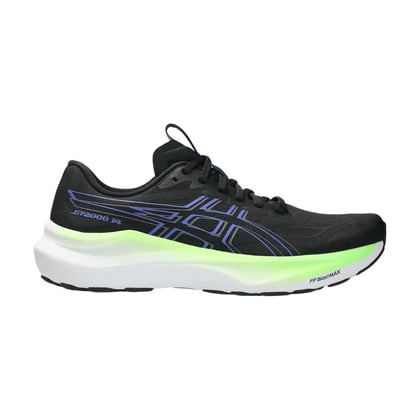
GT-2000 14
The GT-2000 14 is Asics doing what it has done well for years: a dependable, lightweight daily stability shoe that quietly gets the job done. This is the value end of the support range, the running shoe you reach for when you want gentle guidance without the price or the plushness of the flagship Gel Kayano 32. It is built for mild to moderate overpronators logging easy miles, marathon training base weeks and steady commutes, not for chasing times. At an RRP of 130 pounds it sits in the everyday-trainer bracket, and that is exactly how we would use it. The support is built in rather than bolted on, so the ride feels natural instead of corrective. It will not excite you and it is not trying to. What it offers is a stable, no-drama daily training shoe that holds its form mile after mile, which for a lot of runners is the whole point.
Fresh Foam X 860 15
New Balance made the 860 bigger for version 15. Our spec sheet has it at 332g against 309g for the 860 v14, with more foam under the heel, and it now rides like a cushioned daily training shoe with support built in rather than a stability shoe with a bit of softness added. Reviewers like the comfort, and they like that the support runs along the whole inner edge instead of sitting in one post under the arch. Weight is the complaint that turns up in almost every review, and one detailed review found the heel counter stiff enough to rub. Our take: it's a good stability running shoe for easy miles and long days on your feet, but you pay for that if you want one shoe that also handles quicker sessions. It's aimed at mild to moderate overpronators. If you need firm correction, or you count grams, there are better picks at this price.
GT-2000 14 vs Fresh Foam X 860 15: how they score
GT-2000 14
Lightness7.0
Cushioning7.0
Flexibility6.5
Responsive5.5
Stability8.5
Grip7.5
Fresh Foam X 860 15
Lightness4.0
Cushioning8.8
Flexibility3.5
Responsive5.0
Stability8.5
Grip8.5
Who the GT-2000 14 and the Fresh Foam X 860 15 are for
GT-2000 14
90D Low£65
30D Avg£108.97
RRP£130
Where to buy the GT-2000 14


- 01RunningBearLIVE£65£130−50%Women's
- 02Run ActiveLIVE£70£130−46%Women's
- 03365RiderLIVE£76.50£130−41%Men's
- 04RunningBear2d ago£80£130−38%Men's
- 05SportsShoesLIVE£83.99£130−35%Women's
- 06RunningXpertLIVE£84£130−35%Men's
- 07CotswoldOutdoorLIVE£90.89£130−30%Women's
- 08Runner's NeedLIVE£90.89£130−30%Women's
- 09Sporting FeetLIVE£94.50£130−27%Women's
- 10DirectSports3d ago£94.95£130−27%Men's
- 11Start Fitness3d ago£99£130−24%Women's
- 12Moti RunningLIVE£99.95£130−23%Women's
- 13Moti Running1d ago£99.95£130−23%Men's
- 14SportsdirectLIVE£100£130−23%Women's
- 15SportsdirectLIVE£100£130−23%Men's
- 16HouseOfFraser2d ago£100£130−23%Men's
- 17The Jog ShopLIVE£115£130−12%Men's
- 18HouseOfFraser3d ago£115£130−12%Women's
- 19Amazon3d ago£117.27£130−10%Women's
- 20Alpine TrekLIVE£130.10Men's
- 21Go OutdoorsLIVE£140Women's
- 22Run ActiveLIVE£140Men's
- 23Sutton Runner3d ago£140Women's
- 24Side Kicks1d ago£165Check gender
- 25Side Kicks3d ago£172Women's
Live = checked in the last 24 hours. Older prices show when we last saw them.


