Megablast 1 vs Novablast 6
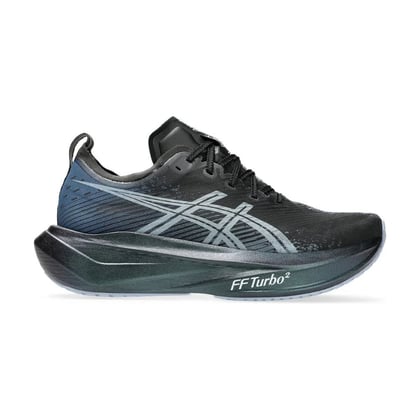

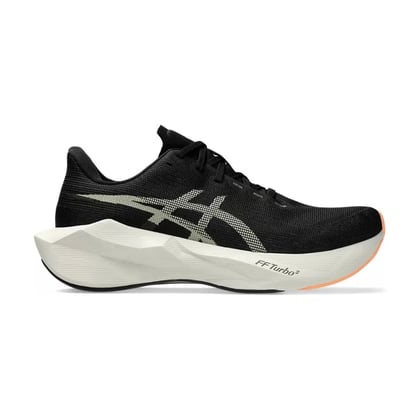
| Spec | Megablast 1 | Novablast 6 |
|---|---|---|
| Best price now | £168 | £105 |
| 90-day low | £157.53 | £98 |
| 30-day average | £208.30 | £132.43 |
| RRP | £210 | £140 |
| Category | Super Trainer | Daily |
| Surface | Road | Road |
| Weight | 230g | 249g |
| Drop | 8mm | 8mm |
| Heel stack | 46mm | 41.5mm |
| Forefoot stack | 38mm | 33.5mm |
| Carbon plated | No | No |
| Stability | No | No |
| Review rating | - | - |
Expert review
Megablast 1 or Novablast 6: which should you buy?
Megablast 1
The Asics Megablast is the brand's big, bouncy super trainer: a plateless max-stack running shoe that sits above the Superblast as the softer, taller, more cushioned option in the line. There is no carbon plate here, so the propulsion comes purely from a huge 46mm heel of FF Turbo Squared foam and the shape of the sole. That makes it a versatile do-everything trainer rather than a pure speed tool. It soaks up easy miles, holds a long run together, and still has enough energy return to lift into a steady tempo when you want it. At 230g it is not light for a trainer, and at £229 it is priced like a race shoe, so it asks a lot up front. But if you want one cushioned shoe that covers most of your week without a plate dictating the ride, the Megablast makes a strong case. We rate it as a premium daily-to-long-run trainer with real pop.
Novablast 6
The big change for version 6 is a small pod of FF Turbo Squared foam under the forefoot, set into an FF Blast Max midsole. It gives the Novablast a quicker toe-off, and most reviewers think it's the better shoe for it. Ben Parkes rates it the best Novablast so far. Fordy Runs likes the changes too, but wonders whether the series has swapped the fun of the early versions for something dependable and a little safe. One reviewer liked it much less, finding the heel dull and the transition slappy.
This is a daily training shoe for easy miles and long runs, and it can still pick up the pace for strides or a steady tempo. Both UK reviewers share one worry: the Novablast 5 lost its bounce over time for plenty of runners, and most of this midsole is the same foam. At £140 RRP it costs £5 more than the version it replaces, and the older shoe is worth a look while stock lasts.
At a glance
Megablast 1 vs Novablast 6: how they score
Megablast 1
Lightness6.5
Cushioning9.5
Flexibility6.0
Responsive7.5
Stability6.5
Grip7.5
Novablast 6
Lightness7.8
Cushioning8.3
Responsive8.5
Stability7.0
Grip8.8
Who it suits
Who the Megablast 1 and the Novablast 6 are for
90D Low£157.53
30D Avg£208.30
RRP£210
UK prices
Where to buy the Megablast 1


- 01DerbyRunnerLIVE£168£210−20%Unisex
- 02HouseOfFraser4d ago£175£210−17%Men's
- 03365RiderLIVE£181.40£210−14%Unisex
- 04Start FitnessLIVE£209.90Check gender
- 05SportsdirectLIVE£209.99Men's
- 06SportsShoesLIVE£209.99Check gender
- 07AchillesHeel1d ago£210Check gender
- 08Run North West1d ago£210Unisex
- 09Side Kicks4d ago£259Check gender


