Novablast 6 vs Neo Zen 1
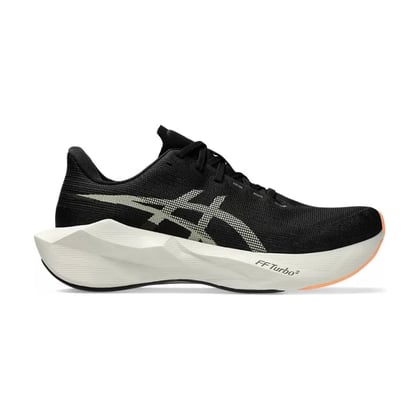


| Spec | Novablast 6 | Neo Zen 1 |
|---|---|---|
| Best price now | £85 | £50 |
| 90-day low | £85 | £63 |
| 30-day average | £123.82 | £112.73 |
| RRP | £140 | £150 |
| Category | Daily | Daily |
| Surface | Road | Road |
| Weight | 249g | 235g |
| Drop | 8mm | 6mm |
| Heel stack | 41.5mm | 40mm |
| Forefoot stack | 33.5mm | 34mm |
| Carbon plated | No | No |
| Stability | No | No |
| Review rating | - | - |
Novablast 6 or Neo Zen 1: which should you buy?
Novablast 6
The big change for version 6 is a small pod of FF Turbo Squared foam under the forefoot, set into an FF Blast Max midsole. It gives the Novablast a quicker toe-off, and most reviewers think it's the better shoe for it. Ben Parkes rates it the best Novablast so far. Fordy Runs likes the changes too, but wonders whether the series has swapped the fun of the early versions for something dependable and a little safe. One reviewer liked it much less, finding the heel dull and the transition slappy.
This is a daily training shoe for easy miles and long runs, and it can still pick up the pace for strides or a steady tempo. Both UK reviewers share one worry: the Novablast 5 lost its bounce over time for plenty of runners, and most of this midsole is the same foam. At £140 RRP it costs £5 more than the version it replaces, and the older shoe is worth a look while stock lasts.
Neo Zen 1
The Mizuno Neo Zen 1 is a soft, springy daily training shoe that shows Mizuno moving on from its old firm reputation. This is a plush, bouncy road running shoe built for the everyday miles that make up most of your week, from easy recovery jogs to steady long runs. At 235g it is genuinely light for a cushioned daily trainer, so it never feels like a chore underfoot. It sits above the Wave Rider as the more premium, more energetic option in Mizuno's line, and at RRP 150 pounds it lands in the same bracket as the plush daily trainers from the big brands. We rate it as a versatile one-shoe answer for a runner who wants comfort without a heavy, dead feel. It is a neutral shoe with a natural 6mm drop, so it rewards a fairly efficient, grounded stride.
Novablast 6 vs Neo Zen 1: how they score
Novablast 6
Lightness7.8
Cushioning8.3
Responsive8.5
Stability7.0
Grip8.8
Neo Zen 1
Lightness8.0
Cushioning8.0
Flexibility6.5
Responsive7.5
Stability6.0
Grip7.5
Who the Novablast 6 and the Neo Zen 1 are for
Novablast 6
Who should buy it
- Neutral runners who want one shoe for easy days and the odd faster session
- Midfoot and forefoot strikers, who get the most from the forefoot pod
90D Low£85
30D Avg£123.82
RRP£140
Where to buy the Novablast 6


- 01RunningXpert1d ago£85£140−39%Women's
- 02RunningXpert1d ago£86£140−39%Men's
- 03Run North West1d ago£99.99£140−29%Men's
- 04Run North West5d ago£99.99£140−29%Women's
- 05365RiderLIVE£109.73£140−22%Men's
- 06365RiderLIVE£109.73£140−22%Women's
- 07SportsdirectLIVE£110£140−21%Men's
- 08SportsdirectLIVE£110£140−21%Women's
- 09Greaves1d ago£112£140−20%Women's
- 10Moti Running1d ago£112£140−20%Men's
- 11CotswoldOutdoor2d ago£118.95£140−15%Women's
- 12Alpine Trek1d ago£123.26£140−12%Women's
- 13Alpine Trek3d ago£123.26£140−12%Men's
- 14Start Fitness1d ago£124.90£140−11%Men's
- 15DecathlonLIVE£124.99£140−11%Men's
- 16SportsShoes1d ago£125.99£140−10%Men's
- 17DirectSports3d ago£125.99£140−10%Women's
- 18ASOS1d ago£129.99£140−7%Women's
- 19ASOS2d ago£129.99£140−7%Men's
- 20DecathlonLIVE£139.99Women's
- 21Go OutdoorsLIVE£140Men's
- 22Run Active1d ago£140Women's
- 23RunningBear1d ago£140Women's
- 24Run Active1d ago£140Men's
- 25RunningBear3d ago£140Men's
- 26Amazon1d ago£161.47Men's
Live = checked in the last 24 hours. Older prices show when we last saw them.


