//
Novablast 6 vs Fresh Foam X 1080 15
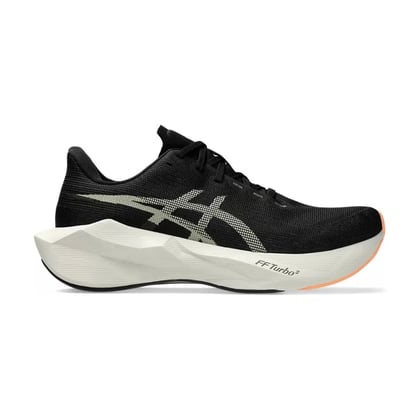

Asics Novablast 6
Best price today
£110.00£140.00−21%
at Sportsdirect90D LOW · 20% under 30d avg


New Balance Fresh Foam X 1080 15
Best price today
£114.99£170.00−32%
at Decathlon · 20% under 30d avg
| Spec | Novablast 6 | Fresh Foam X 1080 15 |
|---|---|---|
| Best price now | £110.00 | £114.99 |
| 90-day low | £110.00 | £102.00 |
| 30-day average | £138.23 | £144.48 |
| RRP | £140.00 | £170.00 |
| Category | Daily | Daily |
| Surface | Road | Road |
| Weight | 249g | 261g |
| Drop | 8mm | 6.4mm |
| Heel stack | 41.5mm | 37mm |
| Forefoot stack | 33.5mm | 30.6mm |
| Carbon plated | No | No |
| Stability | No | No |
| Review rating | - | - |
Expert review
Novablast 6 or Fresh Foam X 1080 15: which should you buy?
Novablast 6
The big change for version 6 is a small pod of FF Turbo Squared foam under the forefoot, set into an FF Blast Max midsole. It gives the Novablast a quicker toe-off, and most reviewers think it's the better shoe for it. Ben Parkes rates it the best Novablast so far. Fordy Runs likes the changes too, but wonders whether the series has swapped the fun of the early versions for something dependable and a little safe. One reviewer liked it much less, finding the heel dull and the transition slappy.
This is a daily training shoe for easy miles and long runs, and it can still pick up the pace for strides or a steady tempo. Both UK reviewers share one worry: the Novablast 5 lost its bounce over time for plenty of runners, and most of this midsole is the same foam. At £140 RRP it costs £5 more than the version it replaces, and the older shoe is worth a look while stock lasts.
Fresh Foam X 1080 15
The Fresh Foam X 1080v15 is New Balance at its most comfortable: a premium, max-cushioned daily training shoe built to soak up easy miles and long runs without ever feeling harsh. This is the brand's flagship cushioned trainer, and the pitch is simple. You get a big, soft slab of Fresh Foam X underfoot, a smooth heel-to-toe roll and a knit upper that feels more like a slipper than a race shoe. At 261g it is not light, and it is not trying to be. It is a neutral running shoe for runners who put comfort first and want one dependable pair for the bulk of their weekly mileage. We rate it as one of the best plush daily trainers you can buy right now, especially if your legs like a forgiving landing. It will not thrill you at pace, but for recovery days, steady runs and marathon training blocks it is hard to fault.
At a glance
Novablast 6 vs Fresh Foam X 1080 15: how they score
Novablast 6
Lightness7.8
Cushioning8.3
Responsive8.5
Stability7.0
Grip8.8
Fresh Foam X 1080 15
Lightness6.0
Cushioning9.2
Flexibility6.0
Responsive6.0
Stability6.2
Grip7.5
Who it suits
Who the Novablast 6 and the Fresh Foam X 1080 15 are for
Novablast 6
90D Low£110.00
30D Avg£138.23
RRP£140.00
UK prices
Where to buy the Novablast 6


- 01SportsdirectLIVE£110.00£140.00−21%
- 02Alpine TrekLIVE£116.41£140.00−17%
- 03DecathlonLIVE£124.99£140.00−11%
- 04The Jog Shop1d ago£125.00£140.00−11%
- 05The Jog Shop5d ago£125.00£140.00−11%
- 06SportsShoesLIVE£125.99£140.00−10%
- 07Moti RunningLIVE£126.00£140.00−10%
- 08365RiderLIVE£126.97£140.00−9%
- 09365RiderLIVE£129.83£140.00−7%
- 10Direct RunningLIVE£137.05£140.00−2%
- 11DecathlonLIVE£139.99£140.00−0%
- 12HouseOfFraser2d ago£139.99£140.00−0%
- 13HouseOfFraser3d ago£139.99£140.00−0%
- 14Sportsdirect3d ago£139.99£140.00−0%
- 15JohnLewisLIVE£140.00
- 16RunlimitedLIVE£140.00
- 17AchillesHeelLIVE£140.00
- 18ASOSLIVE£140.00
- 19NextLIVE£140.00
- 20Sporting FeetLIVE£140.00
- 21Run ActiveLIVE£140.00
- 22GreavesLIVE£140.00
- 23Run ActiveLIVE£140.00
- 24RunningBearLIVE£140.00
- 25Run North WestLIVE£140.00
- 26Up and Running2d ago£140.00
- 27ASOS2d ago£140.00
- 28Up and Running5d ago£140.00
- 29Run4It5d ago£140.00
- 30Amazon1d ago£142.10
- 31AmazonLIVE£148.04

