//
Superblast 2 vs Zoom Fly 6
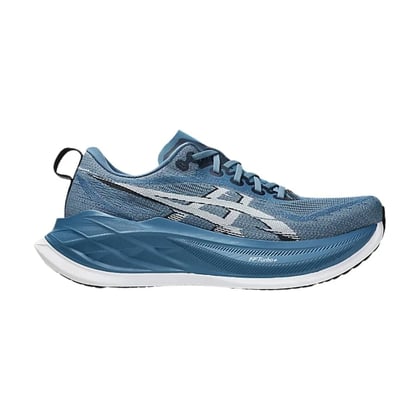

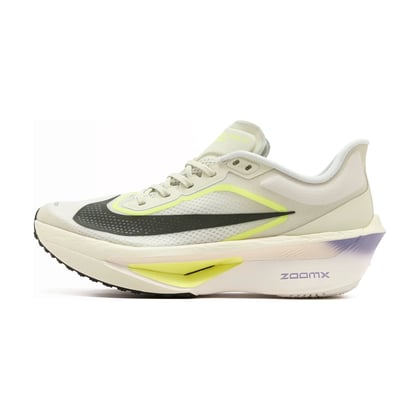

| Spec | Superblast 2 | Zoom Fly 6 |
|---|---|---|
| Best price now | £151.80 | £92.99 |
| 90-day low | £83.90 | £78.00 |
| 30-day average | £195.38 | £133.12 |
| RRP | £200.00 | £170.00 |
| Category | Super Trainer | Super Trainer |
| Surface | Road | Road |
| Weight | 249g | 265g |
| Drop | 8mm | 8mm |
| Heel stack | 45.5mm | 40mm |
| Forefoot stack | 37.5mm | 32mm |
| Carbon plated | No | Yes |
| Stability | No | No |
| Review rating | 5.0 (1) | — |
Expert review
Superblast 2 or Zoom Fly 6: which should you buy?
Superblast 2
The Asics Superblast 2 is the rare running shoe that does almost everything, and does it well. It is a super trainer, not a racer, with a towering, springy midsole and no carbon plate, yet it still has the bounce and turnover most runners chase on plated shoes. We rate it as one of the most versatile daily trainers you can buy. At 249g it is not light for a no-plate shoe, but you forget the weight once that big stack starts rolling you forward. Easy miles feel plush, long runs feel protected, and a tempo or a half marathon brings out a genuinely lively ride. The catch is the price: at an RRP of £200 it sits in race-shoe territory, so it asks a lot up front for a do-it-all trainer. If you want one premium shoe for most of your week, this is the one to beat. Those after pure daily value should look at the cheaper Asics Novablast 5.
Zoom Fly 6
The Nike Zoom Fly 6 is the carbon plate experience for everyone who is not racing. It sits in the super trainer slot: a plated, well cushioned road shoe built to handle tempo work, long runs and the odd race without the price or the fragility of a true marathon flat. At 265g it is no featherweight, and that is the point. Nike has traded the raw speed of its race line for durability and a more forgiving daily ride, so you get the snap of a full length carbon plate stacked on a soft, bouncy midsole that holds up over the miles. If you want the actual race rocket the Vaporfly 4 is lighter and faster, but the Zoom Fly 6 is the one you can train in week after week. We rate it as one of the best value carbon trainers around for runners who want one shoe to cover their faster days.
At a glance
Superblast 2 vs Zoom Fly 6: how they score
Superblast 2
Lightness6.5
Cushioning9.5
Flexibility5.0
Responsive8.5
Stability6.0
Grip7.5
Zoom Fly 6
Lightness6.5
Cushioning8.0
Flexibility4.5
Responsive8.5
Stability6.0
Grip7.5
Who it suits
Who the Superblast 2 and the Zoom Fly 6 are for
Superblast 2
90D Low£83.90
30D Avg£195.38
RRP£200.00
UK prices
Where to buy the Superblast 2


- 01365RiderLIVE£151.80£200.00−24%
- 02LacedLIVE£285.00


