Superblast 3 vs Pegasus Premium 1
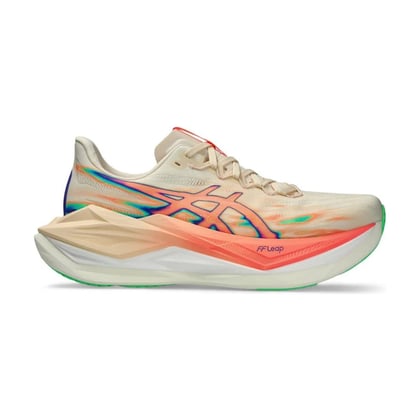

Asics Superblast 3
Best price today
£132.43£200−34%
at DirectRunning90D LOW · 30% under 30d avg

| Spec | Superblast 3 | Pegasus Premium 1 |
|---|---|---|
| Best price now | £132.43 | £95 |
| 90-day low | £132.43 | £94.99 |
| 30-day average | £188.36 | £154.67 |
| RRP | £200 | £190 |
| Category | Super Trainer | Super Trainer |
| Surface | Road | Road |
| Weight | 235g | 308g |
| Drop | 8mm | 10mm |
| Heel stack | 45.8mm | 45mm |
| Forefoot stack | 37.7mm | 35mm |
| Carbon plated | No | No |
| Stability | No | No |
| Review rating | - | - |
Superblast 3 or Pegasus Premium 1: which should you buy?
Superblast 3
The Superblast 3 is the softest, bounciest Superblast yet, with a top layer of FF Leap over FF Blast Plus. On paper that means plenty of cushioning for not much weight, at 235g with no plate, and Ben Parkes says it may be the most comfortable long-run shoe they've worn.
What you give up is steadiness. Several reviewers found it wobblier on corners and as their legs tired, and one UK reviewer who preferred the firmer Superblast 2 now sends people to the Megablast instead. Most reviews still rank the Superblast 3 among the best super trainers you can buy, and one lab rated its grip the best it had tested.
We'd pick it as a marathon-training and long-run shoe for neutral runners who want a soft, lively ride. If you like a firm, planted shoe, it probably isn't for you. At £200 RRP it's one of the dearest trainers Asics makes, so check the price table before you buy.
Pegasus Premium 1
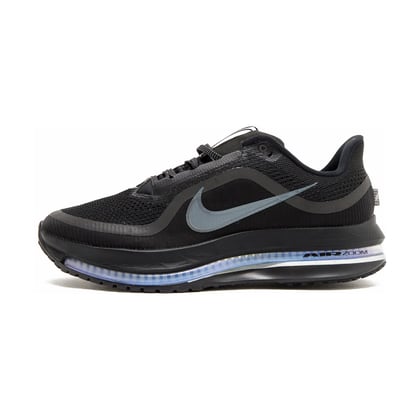
Nike built the Pegasus Premium around bounce, and on that one point reviewers agree it delivers. The full-length Air Zoom unit in its triple-layer midsole gives a springy, trampoline-like ride that most testers enjoyed. The trouble is everything around it. At 308g it's heavy for a super trainer, the fit is narrow, and several reviewers found the tall platform unstable. RunRepeat rated it great and another tester would tell you to try it, but Doctors of Running were far harsher, and one of their testers couldn't run in it at all because the tapered toe box pressed on the big toe.
At £190 RRP that is a lot of compromise. We see it as a fun shoe for easy and steady runs if you're a neutral runner with narrow to medium feet, not a versatile super trainer. If you want Nike bounce in a lighter package, the Zoom Fly 6 is easier to live with, and the Vomero 18 makes more sense for plain easy mileage.
Superblast 3 vs Pegasus Premium 1: how they score
Superblast 3
Lightness8.5
Cushioning9.5
Flexibility5.0
Responsive8.0
Stability6.0
Grip8.5
Pegasus Premium 1
Lightness4.0
Cushioning8.5
Flexibility4.5
Responsive7.5
Stability4.5
Who the Superblast 3 and the Pegasus Premium 1 are for
90D Low£132.43
30D Avg£188.36
RRP£200
Where to buy the Superblast 3


- 01DirectRunning2d ago£132.43£200−34%Check gender
- 02TaskersSports6d ago£160£200−20%Women's
- 03HouseOfFraser2d ago£165£200−18%Men's
- 04DerbyRunnerLIVE£168£200−16%Unisex
- 05365RiderLIVE£174.72£200−13%Unisex
- 06RunningBearLIVE£180£200−10%Unisex
- 07Start Fitness5d ago£199.90Check gender
- 08Runner's Need3d ago£199.95Men's
- 09SportsdirectLIVE£199.99Men's
- 10SportsShoesLIVE£199.99Check gender
- 11Up and RunningLIVE£200Unisex
- 12Run North WestLIVE£200Unisex
- 13runningbath.co.uk1d ago£200Check gender
- 14About The Run1d ago£200Unisex
- 15Runlimited6d ago£200Unisex
- 16AchillesHeel6d ago£200Check gender
- 17Side Kicks4d ago£205Check gender
Live = checked in the last 24 hours. Older prices show when we last saw them.


