//
Superblast 3 vs Zoom Fly 6
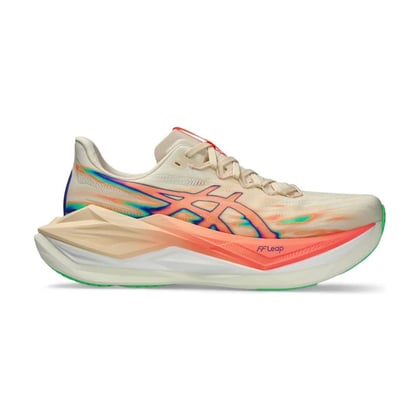

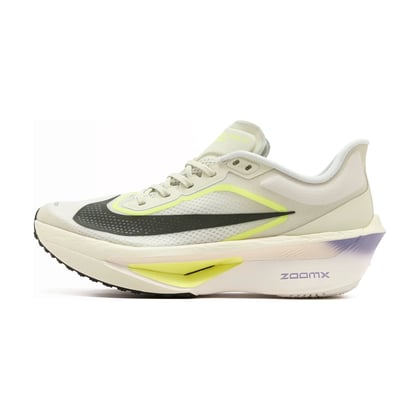

| Spec | Superblast 3 | Zoom Fly 6 |
|---|---|---|
| Best price now | £183.31 | £88.14 |
| 90-day low | £133.79 | £78.00 |
| 30-day average | £194.37 | £140.14 |
| RRP | £200.00 | £170.00 |
| Category | Super Trainer | Super Trainer |
| Surface | Road | Road |
| Weight | 235g | 265g |
| Drop | 8mm | 8mm |
| Heel stack | 45.8mm | 40mm |
| Forefoot stack | 37.7mm | 32mm |
| Carbon plated | No | Yes |
| Stability | No | No |
| Review rating | - | - |
Expert review
Superblast 3 or Zoom Fly 6: which should you buy?
Superblast 3
The Superblast 3 is the softest, bounciest Superblast yet, with a top layer of FF Leap over FF Blast Plus. On paper that means plenty of cushioning for not much weight, at 235g with no plate, and Ben Parkes says it may be the most comfortable long-run shoe they've worn.
What you give up is steadiness. Several reviewers found it wobblier on corners and as their legs tired, and one UK reviewer who preferred the firmer Superblast 2 now sends people to the Megablast instead. Most reviews still rank the Superblast 3 among the best super trainers you can buy, and one lab rated its grip the best it had tested.
We'd pick it as a marathon-training and long-run shoe for neutral runners who want a soft, lively ride. If you like a firm, planted shoe, it probably isn't for you. At £200 RRP it's one of the dearest trainers Asics makes, so check the price table before you buy.
Zoom Fly 6
The Nike Zoom Fly 6 is the carbon plate experience for everyone who is not racing. It sits in the super trainer slot: a plated, well cushioned road shoe built to handle tempo work, long runs and the odd race without the price or the fragility of a true marathon flat. At 265g it is no featherweight, and that is the point. Nike has traded the raw speed of its race line for durability and a more forgiving daily ride, so you get the snap of a full length carbon plate stacked on a soft, bouncy midsole that holds up over the miles. If you want the actual race rocket the Vaporfly 4 is lighter and faster, but the Zoom Fly 6 is the one you can train in week after week. We rate it as one of the best value carbon trainers around for runners who want one shoe to cover their faster days.
At a glance
Superblast 3 vs Zoom Fly 6: how they score
Superblast 3
Lightness8.5
Cushioning9.5
Flexibility5.0
Responsive8.0
Stability6.0
Grip8.5
Zoom Fly 6
Lightness6.5
Cushioning8.0
Flexibility4.5
Responsive8.5
Stability6.0
Grip7.5
Who it suits
Who the Superblast 3 and the Zoom Fly 6 are for
90D Low£133.79
30D Avg£194.37
RRP£200.00
UK prices
Where to buy the Superblast 3


- 01365RiderLIVE£183.31£200.00−8%
- 02Sportsdirect2d ago£188.80£200.00−6%
- 03Start FitnessLIVE£199.90£200.00−0%
- 04CotswoldOutdoor4d ago£199.95£200.00−0%
- 05SportsShoes4d ago£199.99£200.00−0%
- 06HouseOfFraser4d ago£199.99£200.00−0%
- 07runningbath.co.ukLIVE£200.00
- 08DerbyRunnerLIVE£200.00
- 09About The RunLIVE£200.00
- 10Run North WestLIVE£200.00
- 11RunningBear3d ago£200.00
- 12AchillesHeel5d ago£200.00


