//
Glycerin 21 vs Aero Glide 4

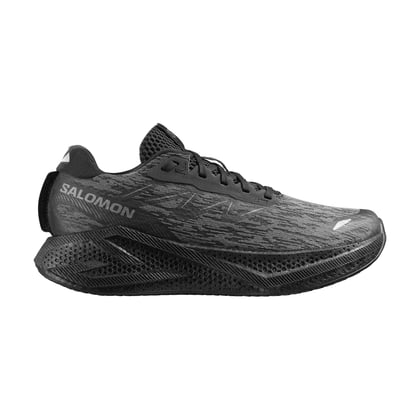

| Spec | Glycerin 21 | Aero Glide 4 |
|---|---|---|
| Best price now | £96.08 | £86.00 |
| 90-day low | £69.33 | £86.00 |
| 30-day average | £130.78 | £140.02 |
| RRP | £165.00 | £145.00 |
| Category | Max Cushion | Max Cushion |
| Surface | Road | Road |
| Weight | 280g | 250g |
| Drop | 10mm | 11.7mm |
| Heel stack | 38mm | 43.2mm |
| Forefoot stack | 28mm | 31.5mm |
| Carbon plated | No | No |
| Stability | No | No |
| Review rating | — | — |
Expert review
Glycerin 21 or Aero Glide 4: which should you buy?
Glycerin 21
The Brooks Glycerin 21 is a max-cushion daily training shoe built for one job: making your everyday miles feel soft, calm and comfortable. This is the plush end of the Brooks range, a neutral running shoe that leans into cushioning rather than speed. At 280g it is not light, and it will not snap you through a fast finish, but that was never the point. What you get is a deep, forgiving underfoot feel that holds up well over long easy runs and recovery days, and a 10mm drop that suits heel and midfoot strikers alike. We rate it as a dependable cruiser for runners who want protection and a smooth, quiet ride over anything sharp or racy. If the £165 price gives you pause, the cheaper Brooks Ghost 16 covers similar daily duty with a touch less plush. But if soft comfort is what you are after, the Glycerin delivers it honestly.
Aero Glide 4
The Salomon Aero Glide 4 is the brand's big-cushion road running shoe, built for soaking up easy miles and long runs without asking your legs for anything back. With a tall 43.2mm heel stack and no carbon plate, this is a comfort-first daily training shoe rather than a racer. What sets it apart from most max-cushion rivals is the tall 11.7mm drop, which rolls you forward off a generous heel and suits runners who land heel-first. It is not the lightest shoe in the class at 250g, and it is not trying to be snappy. What you get instead is a soft, planted, protective ride that stays comfortable when the miles pile up. If you loved the Aero Glide 3, this is a familiar, refined take on the same idea. We rate it as a dependable cushioned trainer for steady runners who value comfort over pace.
At a glance
Glycerin 21 vs Aero Glide 4: how they score
Glycerin 21
Lightness5.5
Cushioning9.2
Flexibility6.0
Responsive5.5
Stability7.0
Grip7.5
Aero Glide 4
Lightness6.0
Cushioning9.0
Flexibility7.0
Responsive5.5
Stability6.5
Grip7.0
Who it suits
Who the Glycerin 21 and the Aero Glide 4 are for
Glycerin 21
90D Low£69.33
30D Avg£130.78
RRP£165.00
UK prices
Where to buy the Glycerin 21


- 01Sole MateLIVE£96.08£165.00−42%
- 02AmazonLIVE£108.81£165.00−34%
- 03Rugby Heaven7d ago£109.98£165.00−33%
- 04Amazon10d ago£139.99£165.00−15%
- 05RunCompany3d ago£165.00


