FuelCell SuperComp Elite 5 vs Endorphin Pro 4


New Balance FuelCell SuperComp Elite 5
Best price today
£93.59£220−57%
at Run North West · 46% under 30d avg
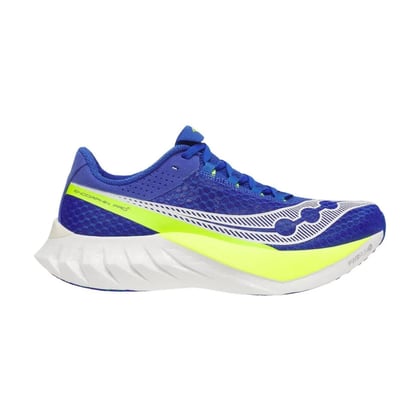

| Spec | FuelCell SuperComp Elite 5 | Endorphin Pro 4 |
|---|---|---|
| Best price now | £93.59 | £99 |
| 90-day low | £89 | £93.54 |
| 30-day average | £172.76 | £157.07 |
| RRP | £220 | £230 |
| Category | Race | Race |
| Surface | Road | Road |
| Weight | 213g | 212g |
| Drop | 8mm | 8mm |
| Heel stack | 40mm | 39.5mm |
| Forefoot stack | 32mm | 31.5mm |
| Carbon plated | Yes | Yes |
| Stability | No | No |
| Review rating | - | - |
FuelCell SuperComp Elite 5 or Endorphin Pro 4: which should you buy?
FuelCell SuperComp Elite 5
The FuelCell SuperComp Elite v5 is New Balance at its most serious: a carbon marathon racing shoe built to chase a personal best on the road and nothing else. This is a full super-shoe, with a PEBA midsole and a carbon plate that New Balance says is 38 per cent stiffer than before, and at 213g it is genuinely light for a shoe carrying this much foam. That combination is the whole point. You get a tall, energetic stack that protects your legs deep into a marathon, and a plate rigid enough to snap you onto your toes when you hold race pace. It sits right at the top of the road racing market on price at 220 pounds, up against the Nike Vaporfly 4 and the rest of the carbon crowd. We rate it as a true race-day tool. It rewards a committed effort and feels flat if you jog. Buy it to race, not to train.
Endorphin Pro 4
Saucony softened the Endorphin Pro for version 4, and most reviewers think it was the right call. The Pro 3 was quick but harsh by the second half of a marathon; this one gives up a little of that snap for a ride that stays comfortable over the full distance. Women's Running UK rated it highly and recommends it for marathon and half marathon runners who care more about finishing strong than about the last few seconds. The trade-off is weight, since two reviews found it heavier than the Pro 3. It's a carbon racing shoe with an 8mm drop and a stable, wide base, which makes it one of the easier super shoes to run a whole marathon in if you land on your heels. The Endorphin Pro 5 has since replaced it at a lower RRP, so the Pro 4 makes most sense when a retailer is clearing it well below £230.
FuelCell SuperComp Elite 5 vs Endorphin Pro 4: how they score
FuelCell SuperComp Elite 5
Lightness9.0
Cushioning8.5
Flexibility3.0
Responsive9.0
Stability5.0
Grip7.5
Endorphin Pro 4
Lightness7.4
Cushioning8.5
Flexibility3.5
Responsive8.3
Stability7.6
Grip8.2
Who the FuelCell SuperComp Elite 5 and the Endorphin Pro 4 are for
FuelCell SuperComp Elite 5
90D Low£89
30D Avg£172.76
RRP£220
Where to buy the FuelCell SuperComp Elite 5


- 01Run North West2d ago£93.59£220−57%Women's
- 02SportsShoes1d ago£103.49£220−53%Women's
- 03Progress Running Club4d ago£105£220−52%Women's
- 04RunningBear6d ago£105£220−52%Women's
- 05AchillesHeel2d ago£115£220−48%Women's
- 06Run4It2d ago£128.76£220−41%Women's
- 07SOLE5d ago£131£220−40%Check gender
- 08SportsdirectLIVE£138.50£220−37%Women's
- 09RunningXpert1d ago£139£220−37%Women's
- 10Run North West1d ago£139.99£220−36%Men's
- 11365RiderLIVE£147.98£220−33%Men's
- 12SportsdirectLIVE£170£220−23%Men's
- 13HouseOfFraser2d ago£170£220−23%Women's
- 14Run Active2d ago£230Women's
- 15Northern Runner1d ago£233.99Men's
- 16SportsShoes1d ago£249.99Men's
- 17DerbyRunner1d ago£260Men's
- 18Run Active2d ago£260Men's
Live = checked in the last 24 hours. Older prices show when we last saw them.


