//
Zoom Fly 6 vs Deviate Pure Nitro 1
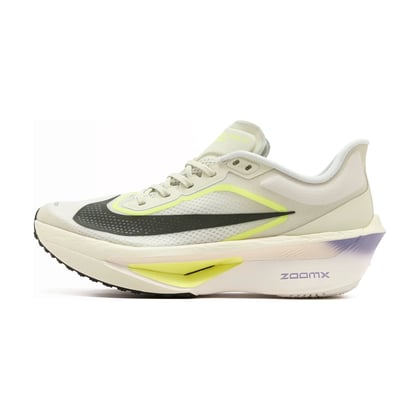

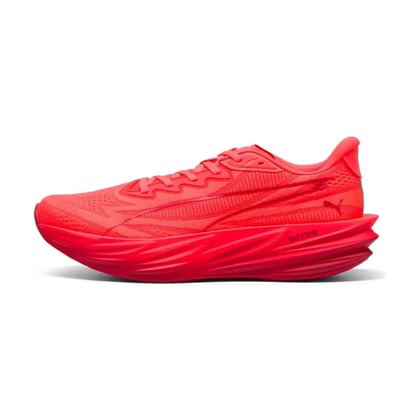

| Spec | Zoom Fly 6 | Deviate Pure Nitro 1 |
|---|---|---|
| Best price now | £88.14 | £98.90 |
| 90-day low | £78.00 | £81.09 |
| 30-day average | £140.14 | £115.44 |
| RRP | £170.00 | £150.00 |
| Category | Super Trainer | Super Trainer |
| Surface | Road | Road |
| Weight | 265g | 220g |
| Drop | 8mm | 8mm |
| Heel stack | 40mm | 38mm |
| Forefoot stack | 32mm | 30mm |
| Carbon plated | Yes | No |
| Stability | No | No |
| Review rating | - | - |
Expert review
Zoom Fly 6 or Deviate Pure Nitro 1: which should you buy?
Zoom Fly 6
The Nike Zoom Fly 6 is the carbon plate experience for everyone who is not racing. It sits in the super trainer slot: a plated, well cushioned road shoe built to handle tempo work, long runs and the odd race without the price or the fragility of a true marathon flat. At 265g it is no featherweight, and that is the point. Nike has traded the raw speed of its race line for durability and a more forgiving daily ride, so you get the snap of a full length carbon plate stacked on a soft, bouncy midsole that holds up over the miles. If you want the actual race rocket the Vaporfly 4 is lighter and faster, but the Zoom Fly 6 is the one you can train in week after week. We rate it as one of the best value carbon trainers around for runners who want one shoe to cover their faster days.
Deviate Pure Nitro 1
The Deviate Pure Nitro is Puma's plateless super trainer, and it sits in a clever spot: most of the bounce of a race shoe, without the plate telling your legs what to do. It runs on a full PEBA Nitrofoam midsole with a 38mm heel and 30mm forefoot, an 8mm drop, and a listed 220g, so it is light for how much shoe you get underfoot. This is a fast everyday trainer rather than a marathon racer. It shines on tempo runs, progression runs and honest daily miles where you want a lively, energetic ride but still want your foot to do the steering. Because there is no carbon plate, it feels more natural and forgiving than a plated super trainer like the Puma Deviate Nitro Elite 4, which makes it easier to run slow in. If you want one bouncy running shoe that covers most of your week, this is a strong pick.
At a glance
Zoom Fly 6 vs Deviate Pure Nitro 1: how they score
Zoom Fly 6
Lightness6.5
Cushioning8.0
Flexibility4.5
Responsive8.5
Stability6.0
Grip7.5
Deviate Pure Nitro 1
Lightness8.0
Cushioning8.0
Flexibility6.5
Responsive8.5
Stability6.0
Grip7.0
Who it suits
Who the Zoom Fly 6 and the Deviate Pure Nitro 1 are for
Zoom Fly 6
90D Low£78.00
30D Avg£140.14
RRP£170.00
UK prices
Where to buy the Zoom Fly 6


- 01Run4ItLIVE£88.14£170.00−48%
- 02SportsdirectLIVE£103.27£170.00−39%
- 03TaskersSports5d ago£108.49£170.00−36%
- 04Sportsdirect3d ago£115.00£170.00−32%
- 05HouseOfFraser3d ago£115.00£170.00−32%
- 06Alpine Trek2d ago£124.06£170.00−27%
- 07HouseOfFraser2d ago£124.99£170.00−26%
- 08Alpine Trek3d ago£128.44£170.00−24%
- 09SportsShoes2d ago£130.49£170.00−23%
- 10SportsShoes3d ago£130.49£170.00−23%
- 11BSTN StoreLIVE£138.99£170.00−18%
- 12Run North WestLIVE£144.99£170.00−15%
- 13Snowleader.co.uk3d ago£147.81£170.00−13%
- 14Nike2d ago£154.99£170.00−9%
- 15Progress Running Club4d ago£154.99£170.00−9%
- 16Go OutdoorsLIVE£155.00£170.00−9%
- 17Go OutdoorsLIVE£155.00£170.00−9%
- 18NikeLIVE£164.99£170.00−3%
- 19AchillesHeelLIVE£165.00£170.00−3%


