//
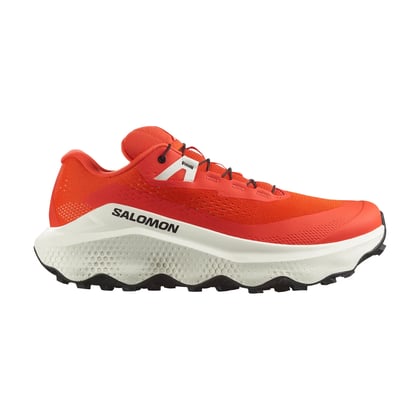
Ultra Glide 3 vs Peregrine 14



Saucony Peregrine 14
Best price today
£67.49£120.00−44%
at SportsShoes90D LOW · 32% under 30d avg
| Spec | Ultra Glide 3 | Peregrine 14 |
|---|---|---|
| Best price now | £74.25 | £67.49 |
| 90-day low | £65.00 | £67.49 |
| 30-day average | £106.90 | £99.54 |
| RRP | £150.00 | £120.00 |
| Category | Trail | Trail |
| Surface | Trail | Trail |
| Weight | 285g | 283g |
| Drop | 6mm | 4mm |
| Heel stack | 41mm | 28mm |
| Forefoot stack | 35mm | 24mm |
| Carbon plated | No | No |
| Stability | No | No |
| Review rating | - | 5.0 (1) |
Expert review
Ultra Glide 3 or Peregrine 14: which should you buy?
Ultra Glide 3
The Salomon Ultra Glide 3 is a soft, high-cushion trail running shoe built for one thing: keeping you comfortable when the miles stack up. This is not a nimble mountain racer. It is a long-day cruiser for runners who want to switch off and let the shoe soak up the ground on runnable trails, canal paths and gentle single track. At 285g with a 6mm drop, it sits in that easygoing daily-trail zone, closer in spirit to a road-to-trail shoe than a technical fell weapon. The Contagrip outsole handles dry hardpack and light mud well, though it is not built for deep bog or scrambling. We rate it as one of the more forgiving ultra-distance trail shoes going, a shoe you reach for on tired legs and back-to-back weekends. If you want protection, softness and a relaxed ride over big distances, and you are not chasing course records on gnarly ground, the Ultra Glide 3 is an easy shoe to recommend.
Peregrine 14
Saucony has since moved on to the Peregrine 16, but the 14 is still an easy trail running shoe to recommend if you can find your size. It's low, flexible and grippy, with a rock plate and deep lugs, the kind of shoe you can take down a muddy bridleway on Saturday and up a rocky path on Sunday. Reviewers liked it. RunRepeat rated it highly for value and versatility, and most testers rated the grip well above average. Not everyone agrees on the wet stuff, though: iRunFar found it only adequate in mud and slippery on wet wooden bridges. The bigger catch is a firmish, fairly thin ride that gets tiring on long days. Think of it as a daily trail shoe rather than an ultra shoe. Fewer UK retailers carry it now that it's been replaced, so check sizes before you get attached.
At a glance
Ultra Glide 3 vs Peregrine 14: how they score
Ultra Glide 3
Lightness6.0
Cushioning9.0
Flexibility6.0
Responsive5.5
Stability6.5
Grip7.0
Peregrine 14
Lightness7.0
Cushioning5.5
Flexibility8.5
Responsive6.0
Stability7.5
Grip8.0
Who it suits
Who the Ultra Glide 3 and the Peregrine 14 are for
Ultra Glide 3
90D Low£65.00
30D Avg£106.90
RRP£150.00
UK prices
Where to buy the Ultra Glide 3


- 01DerbyRunnerLIVE£74.25£150.00−51%
- 02Sole Mate3d ago£80.00£150.00−47%
- 03TaskersSportsLIVE£81.00£150.00−46%
- 04Snowleader.co.uk6d ago£90.90£150.00−39%
- 05HouseOfFraser2d ago£109.00£150.00−27%
- 06Sportsdirect2d ago£109.00£150.00−27%
- 07Oliunìd2d ago£115.14£150.00−23%
- 08Kicks Worldwide1d ago£119.99£150.00−20%
- 09Run ActiveLIVE£135.00£150.00−10%


