Adizero Boston 13 vs Deviate Nitro 4
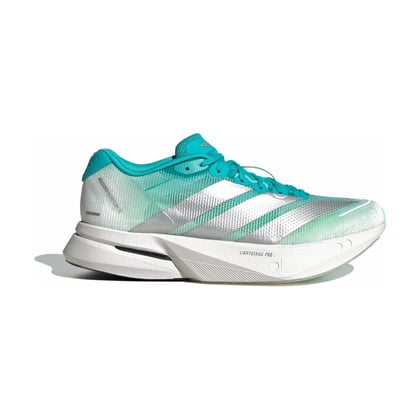

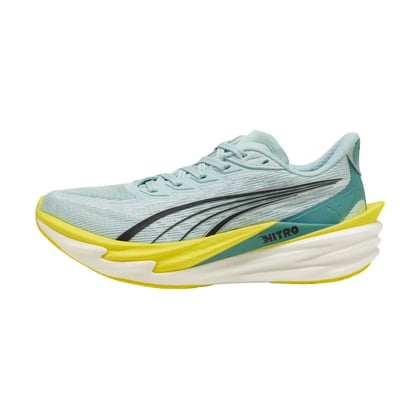

| Spec | Adizero Boston 13 | Deviate Nitro 4 |
|---|---|---|
| Best price now | £49.99 | £75 |
| 90-day low | £59.99 | £60 |
| 30-day average | £119.44 | £122.71 |
| RRP | £140 | £150 |
| Category | Tempo | Tempo |
| Surface | Road | Road |
| Weight | 254g | 245g |
| Drop | 6mm | 7mm |
| Heel stack | 34.3mm | 33.6mm |
| Forefoot stack | 28.3mm | 26.6mm |
| Carbon plated | No | Yes |
| Stability | No | No |
| Review rating | - | - |
Adizero Boston 13 or Deviate Nitro 4: which should you buy?
Adizero Boston 13
Adidas left the Boston 13's ride close to version 12 and put most of the update into comfort, with a padded heel and tongue and a new mesh upper. There's also more Lightstrike Pro sitting above the stiff carbon-infused rods. It's still a firm tempo shoe that's happiest once the pace picks up, and at £140 it's a cheaper way into rod-assisted speed than a proper carbon racing shoe. Its biggest rival is another adidas. Ben Parkes and Fordy Runs both liked the Boston 13, and both reckoned most runners would have more fun in the lighter, softer Adizero Evo SL. The Boston's argument is durability and a steadier platform, so we'd point it at runners who want one hard-wearing pair for workouts and marathon-block long runs. If you already own a Boston 12 you get on with, the changes are small.
Deviate Nitro 4
Puma cut the Deviate Nitro 4's RRP to £150, £10 under version 3, and made it a friendlier shoe while it was at it. Reviewers agree it's the best-fitting Deviate so far: the upper has more give, and the midsole feels softer on easy runs yet still picks up when you push. Think of it as a carbon-plated daily training shoe and tempo shoe rather than a marathon racer. It sits lower than most super trainers, and on paper its 7mm drop is lower than the old model's too. What it lacks is a bit of excitement. One UK review panel liked it but felt rivals such as the Adizero EVO SL are springier, and lab testing found the heel much less lively than the forefoot. We rate it a very good all-rounder, a step behind the best in its class.
Adizero Boston 13 vs Deviate Nitro 4: how they score
Adizero Boston 13
Lightness6.5
Cushioning6.0
Flexibility3.5
Responsive8.0
Stability7.0
Deviate Nitro 4
Lightness7.5
Cushioning6.5
Flexibility3.0
Responsive7.5
Stability7.5
Grip9.0
Who the Adizero Boston 13 and the Deviate Nitro 4 are for
Adizero Boston 13
Who should buy it
- Runners who want one hard-wearing shoe for sessions and long runs
90D Low£59.99
30D Avg£119.44
RRP£140
Where to buy the Adizero Boston 13


- 01MandM2d ago£49.99£140−64%Women's
- 02Profeet4d ago£55.96£140−60%Women's
- 03SportsdirectLIVE£70£140−50%Women's
- 04AdidasLIVE£70£140−50%Check gender
- 05Run ActiveLIVE£70£140−50%Women's
- 06Run Active1d ago£70£140−50%Men's
- 07HouseOfFraser5d ago£70£140−50%Women's
- 08SportsShoes6d ago£83.99£140−40%Women's
- 09Run4It4d ago£84£140−40%Women's
- 10DirectRunning1d ago£86.71£140−38%Women's
- 11SportsdirectLIVE£88.20£140−37%Men's
- 12Runlimited4d ago£90£140−36%Women's
- 13DirectSports4d ago£91.95£140−34%Women's
- 14DirectRunning1d ago£93.38£140−33%Men's
- 15365RiderLIVE£95.45£140−32%Men's
- 16Start FitnessLIVE£97.90£140−30%Men's
- 17365RiderLIVE£98.32£140−30%Women's
- 18ASOSLIVE£99.99£140−29%Men's
- 19Run North West1d ago£99.99£140−29%Women's
- 20SOLE4d ago£102.20£140−27%Men's
- 21Alpine TrekLIVE£105.45£140−25%Men's
- 22Snowleader.co.ukLIVE£111.50£140−20%Men's
- 23Parasol Store3d ago£112£140−20%Men's
- 24SportsShoesLIVE£125.99£140−10%Men's
- 25DonaghysLIVE£135£140−4%Women's
- 26Direct RunningLIVE£135.38£140−3%Women's
- 27DecathlonLIVE£139.99Women's
- 28DecathlonLIVE£139.99Men's
- 29Foot Locker3d ago£139.99Women's
- 30NextLIVE£140Men's
- 31ASOS1d ago£140Women's
- 32DerbyRunner4d ago£140Women's
- 33TaskersSports6d ago£140Men's
- 34Littlewoods4d ago£179Check gender
Live = checked in the last 24 hours. Older prices show when we last saw them.


