Sonicblast 2 vs Pegasus Premium 1


Asics Sonicblast 2
Best price today
£110.39£170−35%
at Run North West90D LOW · 25% under 30d avg
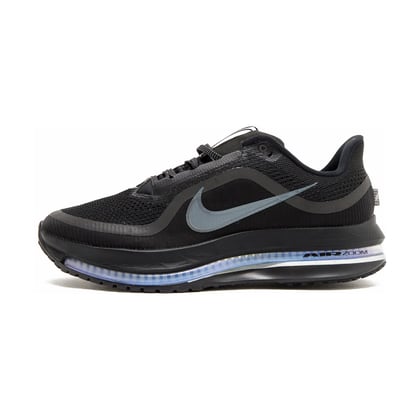

| Spec | Sonicblast 2 | Pegasus Premium 1 |
|---|---|---|
| Best price now | £110.39 | £95 |
| 90-day low | £110.39 | £94.99 |
| 30-day average | £147.96 | £154.67 |
| RRP | £170 | £190 |
| Category | Super Trainer | Super Trainer |
| Surface | Road | Road |
| Weight | 242g | 308g |
| Drop | 8mm | 10mm |
| Heel stack | 46mm | 45mm |
| Forefoot stack | 38mm | 35mm |
| Carbon plated | Yes | No |
| Stability | No | No |
| Review rating | - | - |
Sonicblast 2 or Pegasus Premium 1: which should you buy?
Sonicblast 2
Fordy Runs calls it a big step up from the first version, and the spec sheet backs that up. The Sonicblast 2 keeps the layout of the first version (FF Turbo Squared on top, FF Blast Max underneath, a Pebax plate between them) but the plate is now forked, and reviewers say it's noticeably lighter and bouncier than before. It's a plated super trainer for tempo sessions, marathon-pace long runs and the odd race, not a soft shoe for recovery days.
Doctors of Running graded it A-, and another review's three testers liked the ride too, though all of them found it firm at easy pace. The catch is price. At £170 RRP it sits right beside the Superblast 3, which is still the better choice if you want one shoe for easy days as well as fast ones. If most of your running is at tempo or marathon pace, the Sonicblast is the sharper of the two, and it gets easier to recommend once it drops below full price in the table.
Pegasus Premium 1
Nike built the Pegasus Premium around bounce, and on that one point reviewers agree it delivers. The full-length Air Zoom unit in its triple-layer midsole gives a springy, trampoline-like ride that most testers enjoyed. The trouble is everything around it. At 308g it's heavy for a super trainer, the fit is narrow, and several reviewers found the tall platform unstable. RunRepeat rated it great and another tester would tell you to try it, but Doctors of Running were far harsher, and one of their testers couldn't run in it at all because the tapered toe box pressed on the big toe.
At £190 RRP that is a lot of compromise. We see it as a fun shoe for easy and steady runs if you're a neutral runner with narrow to medium feet, not a versatile super trainer. If you want Nike bounce in a lighter package, the Zoom Fly 6 is easier to live with, and the Vomero 18 makes more sense for plain easy mileage.
Sonicblast 2 vs Pegasus Premium 1: how they score
Sonicblast 2
Lightness7.5
Cushioning7.0
Flexibility3.5
Responsive8.5
Stability7.5
Pegasus Premium 1
Lightness4.0
Cushioning8.5
Flexibility4.5
Responsive7.5
Stability4.5
Who the Sonicblast 2 and the Pegasus Premium 1 are for
90D Low£110.39
30D Avg£147.96
RRP£170
Where to buy the Sonicblast 2


- 01Run North West5d ago£110.39£170−35%Women's
- 02ASOS6d ago£119.99£170−29%Men's
- 03365RiderLIVE£120.28£170−29%Women's
- 04RunningXpert5d ago£124£170−27%Men's
- 05365RiderLIVE£124.10£170−27%Men's
- 06Start Fitness5d ago£135.90£170−20%Women's
- 07Start Fitness6d ago£135.90£170−20%Men's
- 08Sutton Runner6d ago£136£170−20%Check gender
- 09Alpine Trek5d ago£138.51£170−19%Women's
- 10Profeet6d ago£144.50£170−15%Men's
- 11SportsdirectLIVE£169.99Women's
- 12SportsdirectLIVE£169.99Men's
- 13SportsShoes5d ago£169.99Women's
- 14SportsShoes6d ago£169.99Men's
Live = checked in the last 24 hours. Older prices show when we last saw them.


