Zoom Fly 6 vs Deviate Nitro 4
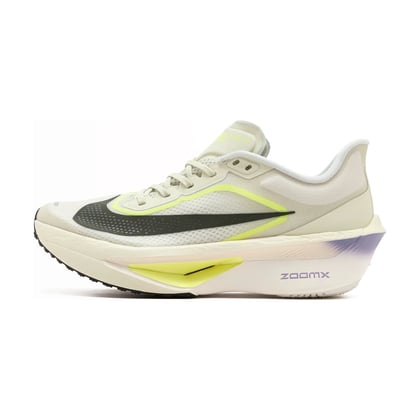

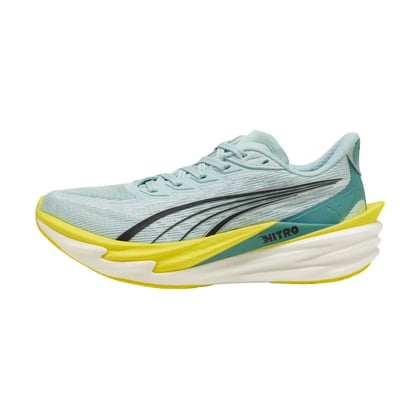

| Spec | Zoom Fly 6 | Deviate Nitro 4 |
|---|---|---|
| Best price now | £100 | £75 |
| 90-day low | £78 | £60 |
| 30-day average | £121.62 | £122.71 |
| RRP | £170 | £150 |
| Category | Super Trainer | Tempo |
| Surface | Road | Road |
| Weight | 265g | 245g |
| Drop | 8mm | 7mm |
| Heel stack | 40mm | 33.6mm |
| Forefoot stack | 32mm | 26.6mm |
| Carbon plated | Yes | Yes |
| Stability | No | No |
| Review rating | - | - |
Zoom Fly 6 or Deviate Nitro 4: which should you buy?
Zoom Fly 6
The Nike Zoom Fly 6 is the carbon plate experience for everyone who is not racing. It sits in the super trainer slot: a plated, well cushioned road shoe built to handle tempo work, long runs and the odd race without the price or the fragility of a true marathon flat. At 265g it is no featherweight, and that is the point. Nike has traded the raw speed of its race line for durability and a more forgiving daily ride, so you get the snap of a full length carbon plate stacked on a soft, bouncy midsole that holds up over the miles. If you want the actual race rocket the Vaporfly 4 is lighter and faster, but the Zoom Fly 6 is the one you can train in week after week. We rate it as one of the best value carbon trainers around for runners who want one shoe to cover their faster days.
Deviate Nitro 4
Puma cut the Deviate Nitro 4's RRP to £150, £10 under version 3, and made it a friendlier shoe while it was at it. Reviewers agree it's the best-fitting Deviate so far: the upper has more give, and the midsole feels softer on easy runs yet still picks up when you push. Think of it as a carbon-plated daily training shoe and tempo shoe rather than a marathon racer. It sits lower than most super trainers, and on paper its 7mm drop is lower than the old model's too. What it lacks is a bit of excitement. One UK review panel liked it but felt rivals such as the Adizero EVO SL are springier, and lab testing found the heel much less lively than the forefoot. We rate it a very good all-rounder, a step behind the best in its class.
Zoom Fly 6 vs Deviate Nitro 4: how they score
Zoom Fly 6
Lightness6.5
Cushioning8.0
Flexibility4.5
Responsive8.5
Stability6.0
Grip7.5
Deviate Nitro 4
Lightness7.5
Cushioning6.5
Flexibility3.0
Responsive7.5
Stability7.5
Grip9.0
Who the Zoom Fly 6 and the Deviate Nitro 4 are for
Zoom Fly 6
Who should buy it
- Runners who want carbon plate pop for training without paying race shoe prices
- Tempo, threshold and long run sessions where you want a bit of bounce and roll
90D Low£78
30D Avg£121.62
RRP£170
Where to buy the Zoom Fly 6


- 01RunningXpert2d ago£100£170−41%Women's
- 02SportsdirectLIVE£109£170−36%Women's
- 03SportsdirectLIVE£115£170−32%Men's
- 04HouseOfFraser1d ago£115£170−32%Men's
- 05HouseOfFraser5d ago£115£170−32%Women's
- 06Run4It6d ago£116.24£170−32%Women's
- 07Snowleader.co.uk5d ago£117.90£170−31%Women's
- 08CotswoldOutdoor2d ago£123.95£170−27%Men's
- 09SportsShoes5d ago£130.49£170−23%Women's
- 10Side Kicks4d ago£142£170−16%Women's
- 11Nike1d ago£154.99£170−9%Men's
- 12Nike5d ago£154.99£170−9%Women's
- 13Go OutdoorsLIVE£155£170−9%Women's
- 14Go OutdoorsLIVE£155£170−9%Men's
- 15End Clothing6d ago£165£170−3%Check gender
- 16Littlewoods1d ago£193Men's
Live = checked in the last 24 hours. Older prices show when we last saw them.


